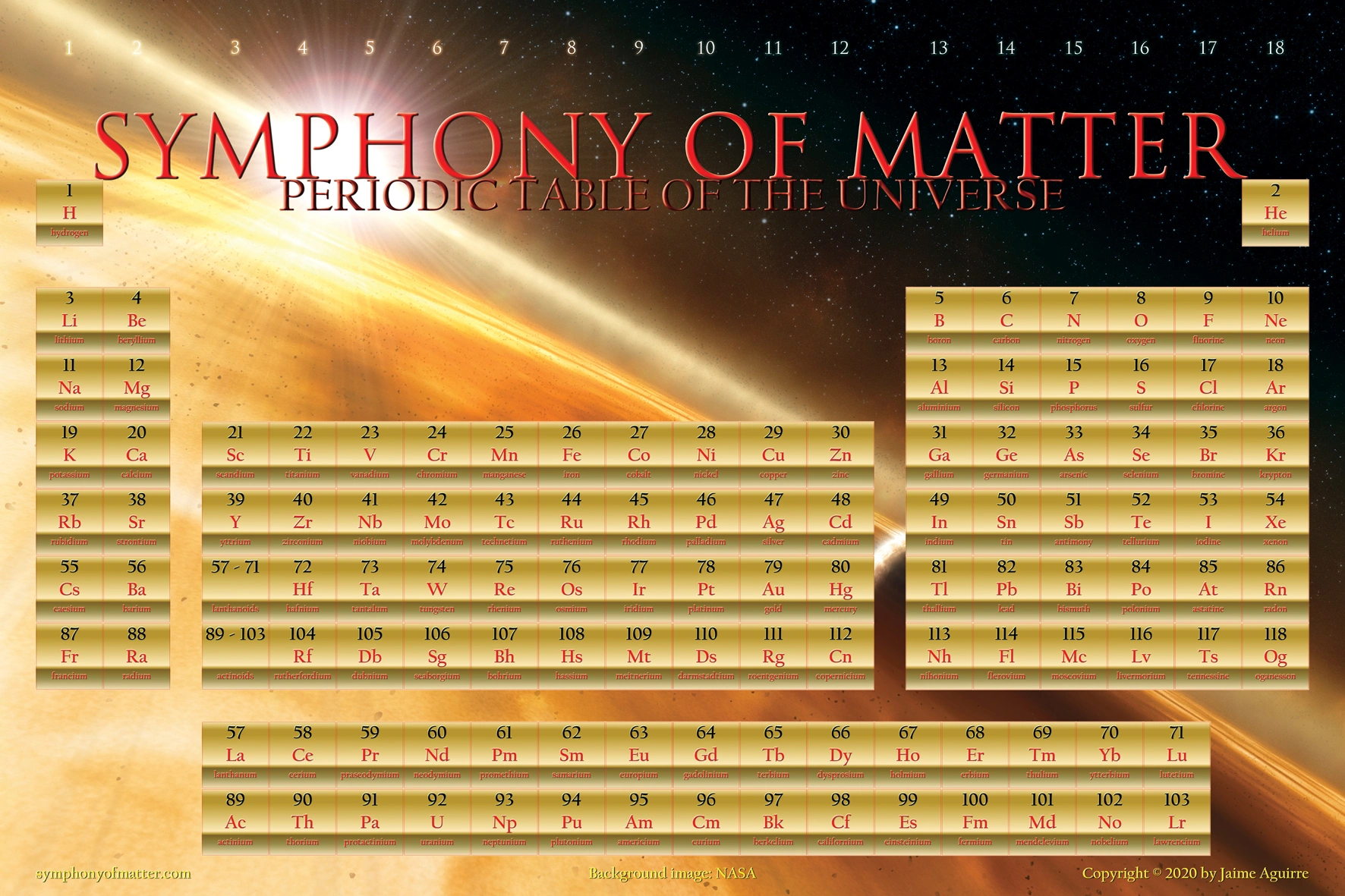
This exclusive collection features 46 metal print designs, each presenting a unique visual interpretation of the Periodic Table, as introduced in the book Periodic Table of the Universe: Symphony of Matter (Cambridge Scholars, 2024).
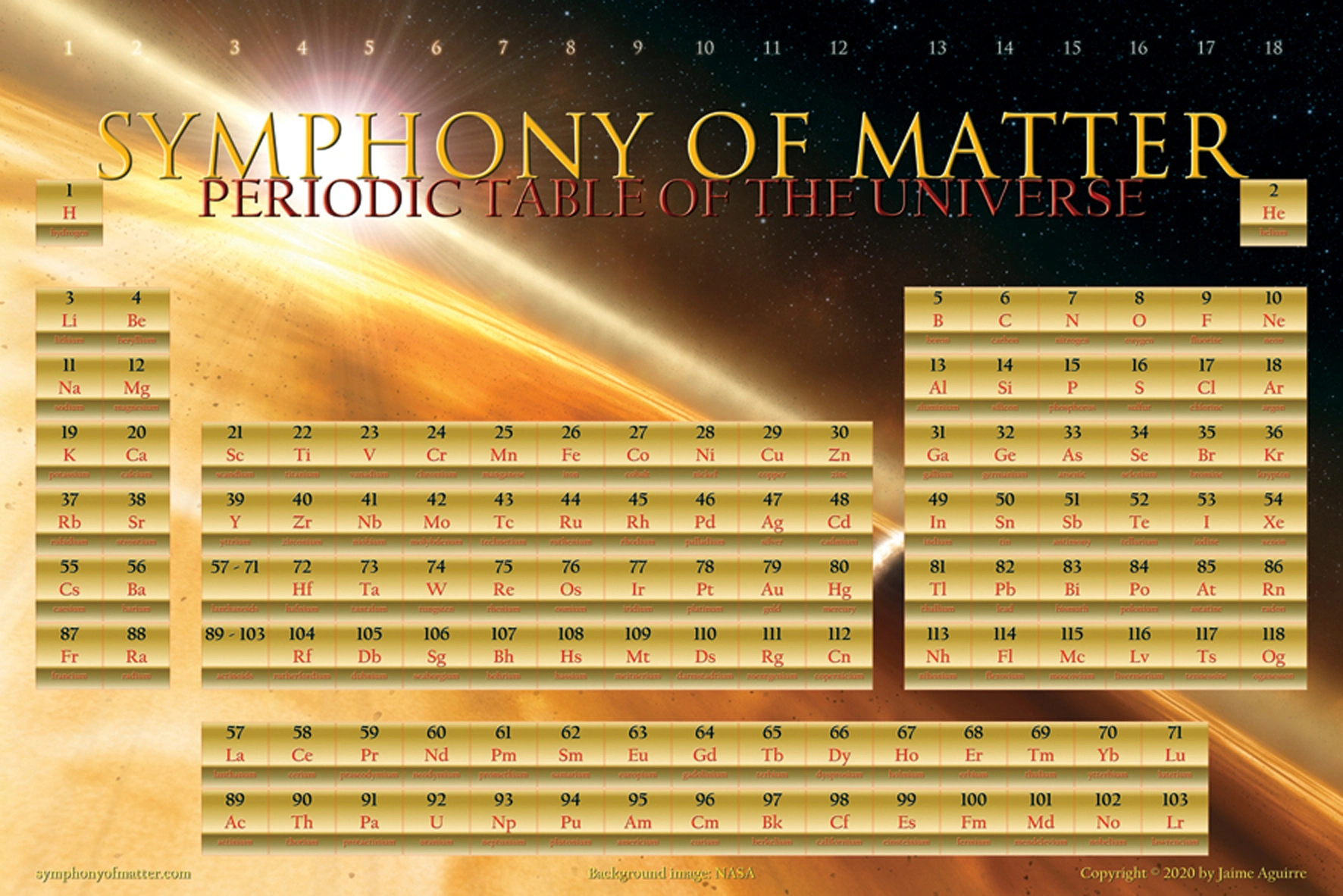
001
Artist’s Concept of Exoplanet Orbiting Fomalhaut
This illustration shows the newly discovered planet, Fomalhaut b, orbiting its sun, Fomalhaut. A structure comprised mostly of brown and gold colors surrounds Fomalhaut b. This structure is a Saturn-like ring that astronomers say may encircle the planet.
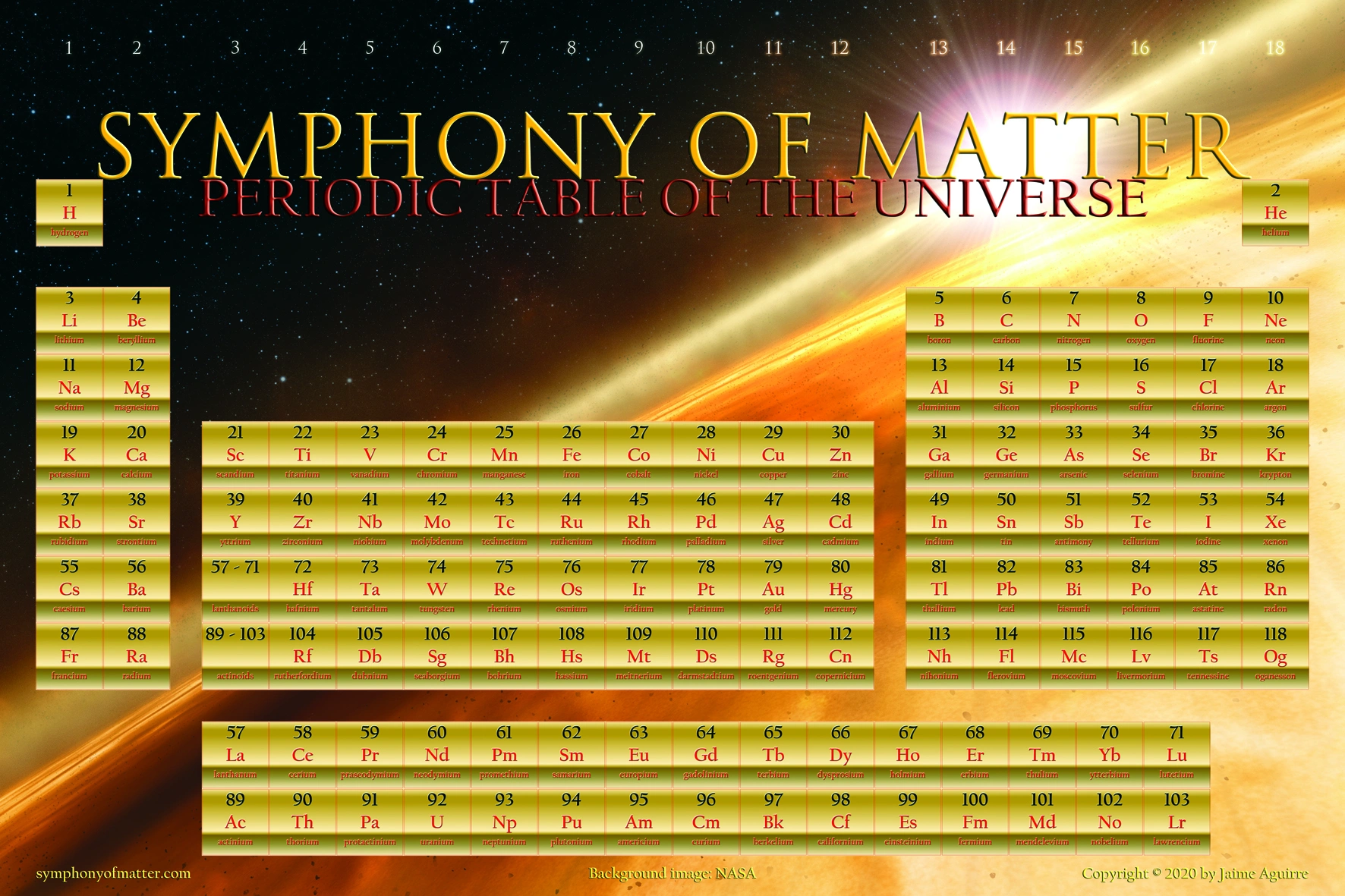
002
Artist’s Concept of Exoplanet Orbiting Fomalhaut
This illustration shows the newly discovered planet, Fomalhaut b, orbiting its sun, Fomalhaut. A structure comprised mostly of brown and gold colors surrounds Fomalhaut b. This structure is a Saturn-like ring that astronomers say may encircle the planet.
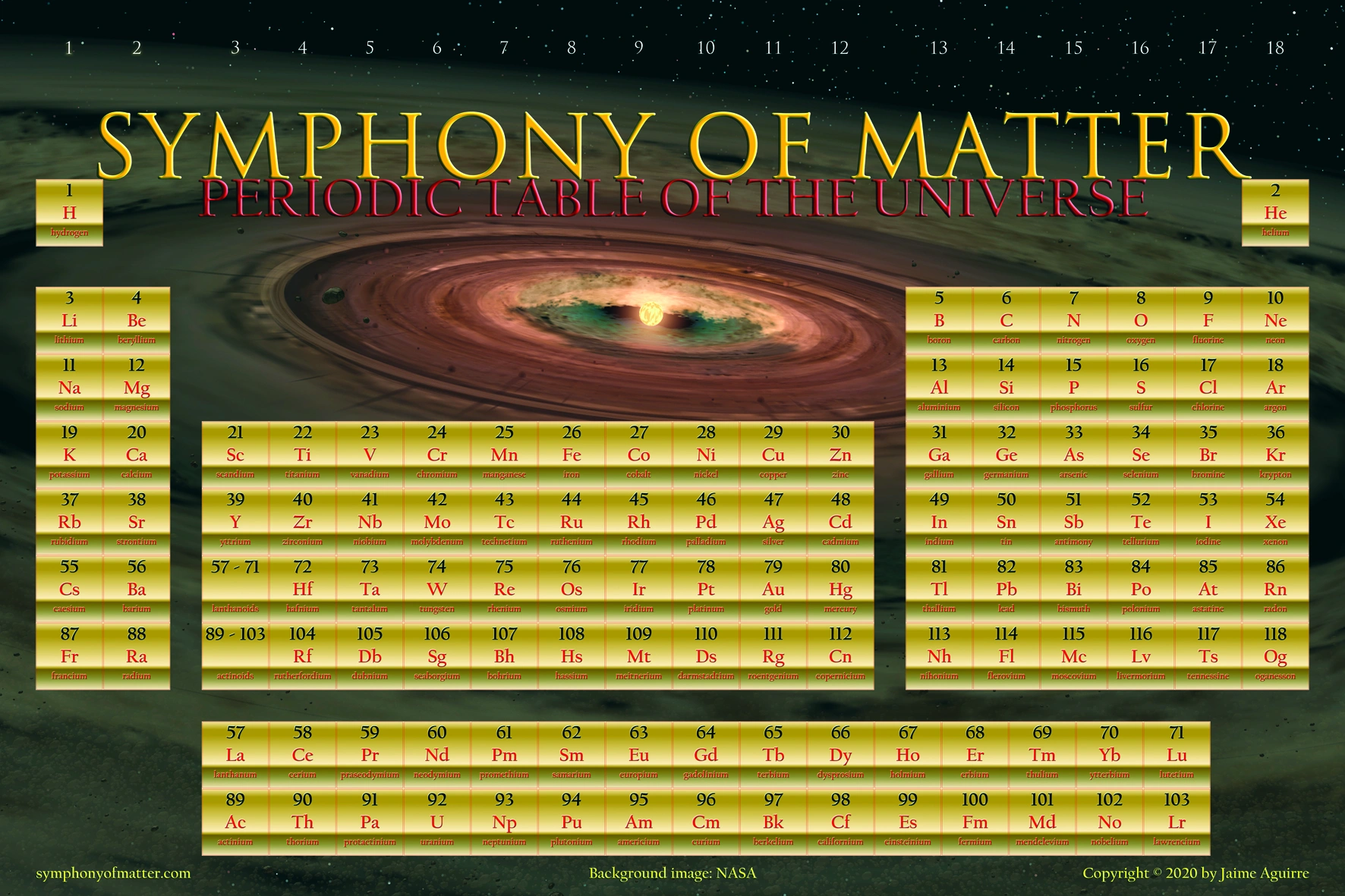
003
This artist's concept shows a brown dwarf surrounded by a swirling disk of planet-building dust. NASA's Spitzer Space Telescope spotted such a disk around a surprisingly low-mass brown dwarf, or "failed star." Astronomers believe that this unusual system will eventually spawn planets.
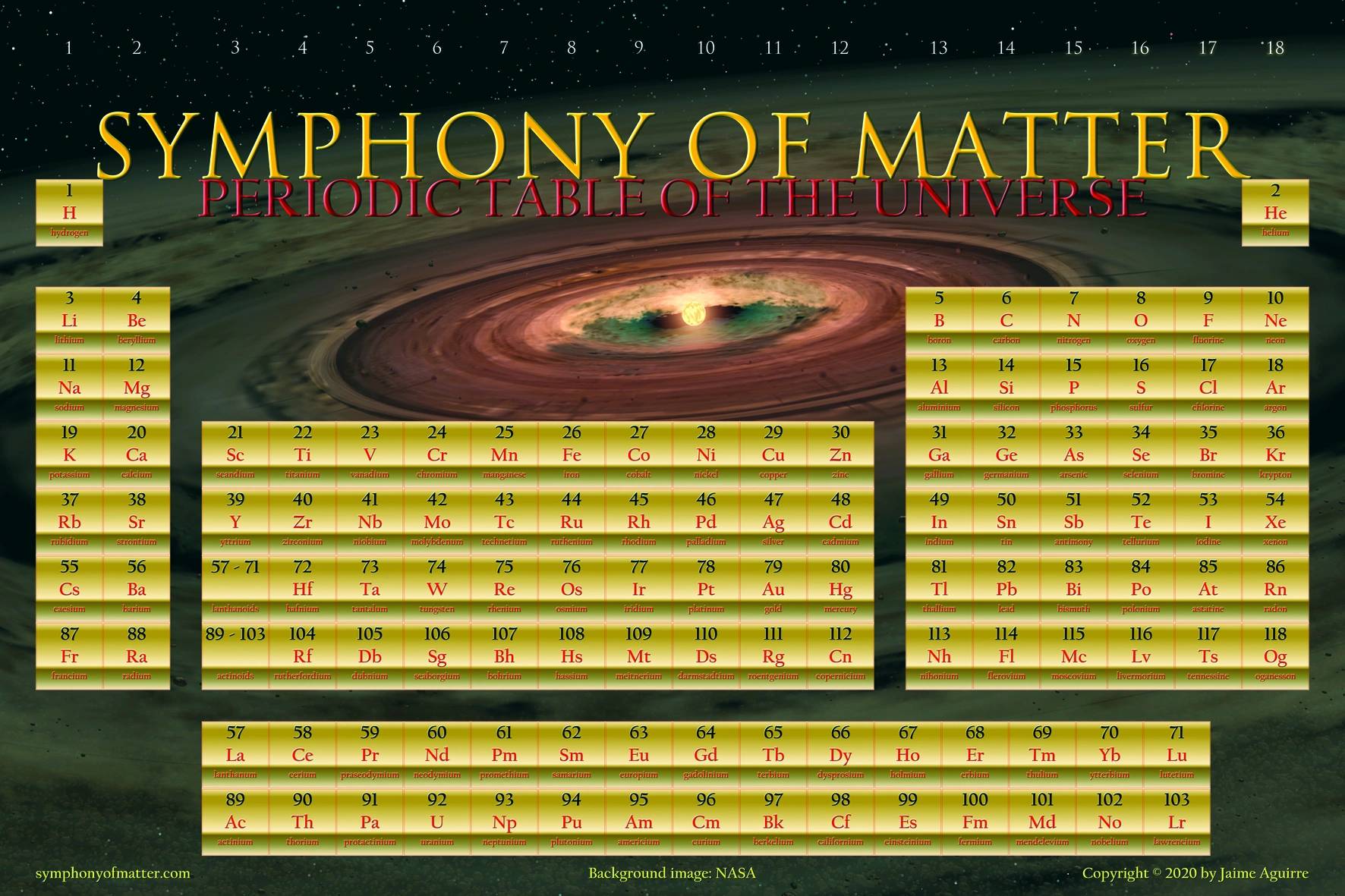
004
This artist's concept shows a brown dwarf surrounded by a swirling disk of planet-building dust. NASA's Spitzer Space Telescope spotted such a disk around a surprisingly low-mass brown dwarf, or "failed star." Astronomers believe that this unusual system will eventually spawn planets.
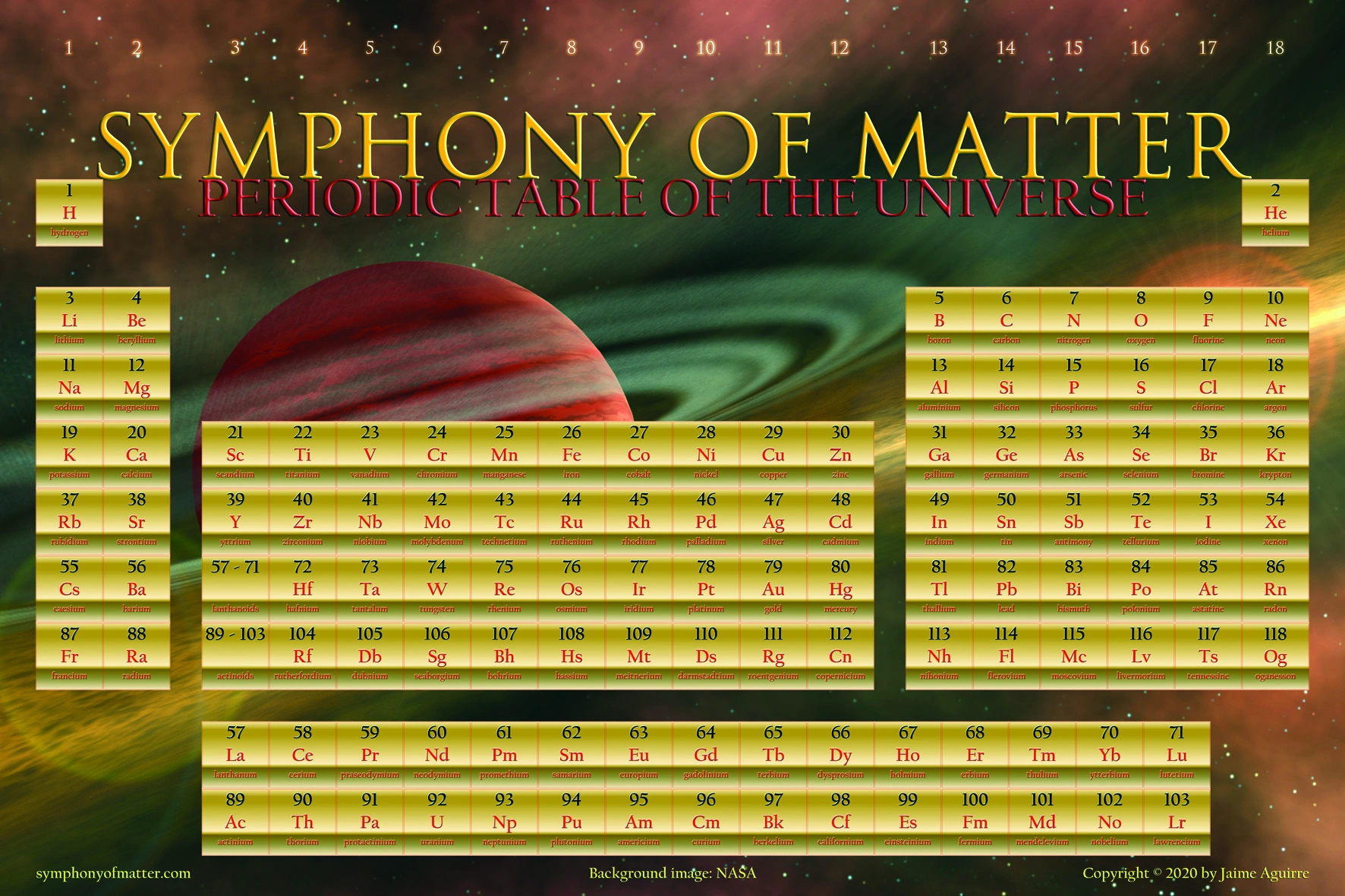
005
In this artist’s conception, a possible newfound planet spins through a clearing, detected around the star CoKu Tau 4 by the Spitzer Space Telescope, in a nearby star’s dusty, planet-forming disc. The possible planet is theorized to be at least as massive as Jupiter.
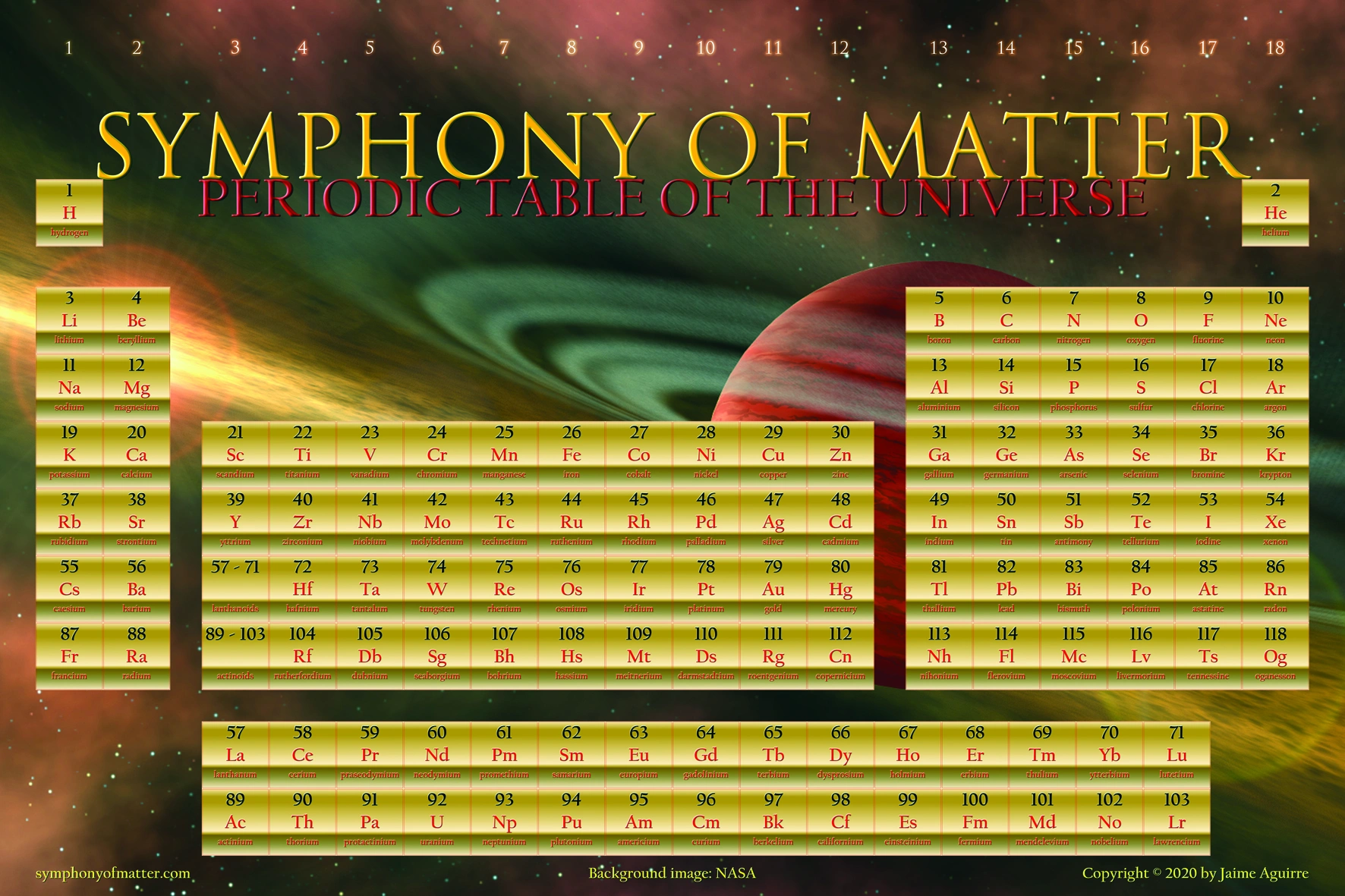
006
In this artist’s conception, a possible newfound planet spins through a clearing, detected around the star CoKu Tau 4 by the Spitzer Space Telescope, in a nearby star’s dusty, planet-forming disc. The possible planet is theorized to be at least as massive as Jupiter.
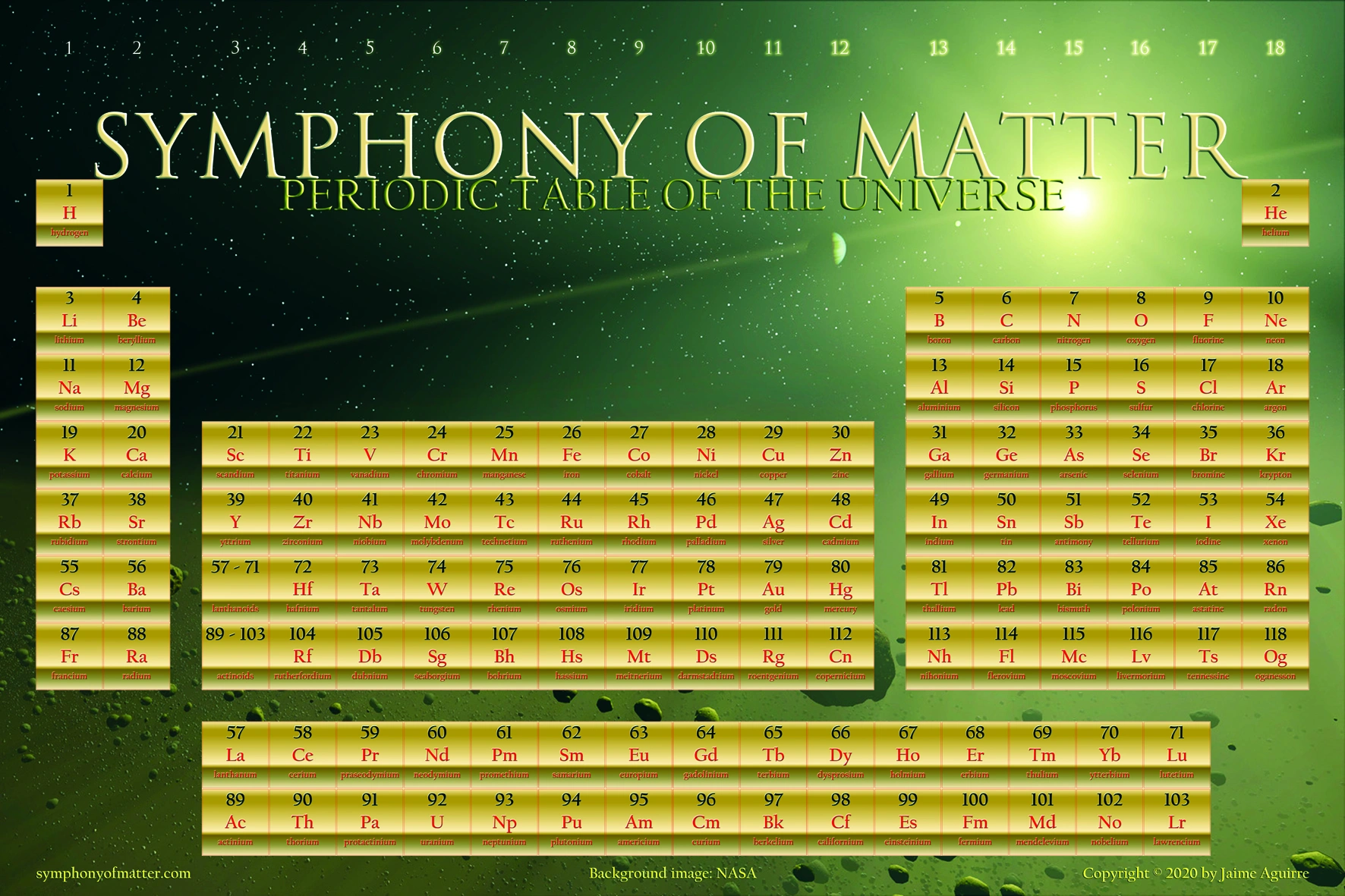
007
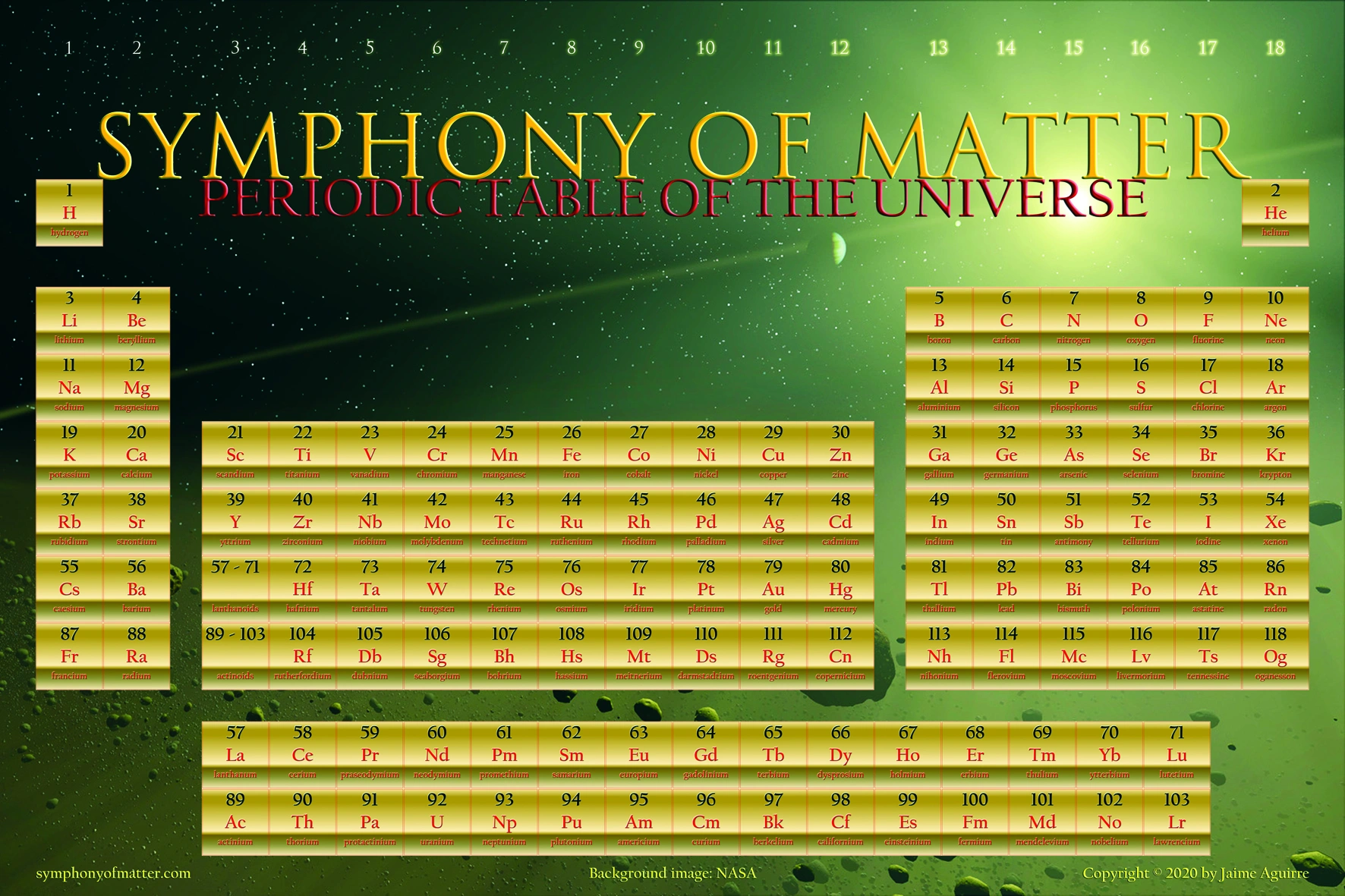
This artist’s concept depicts a distant hypothetical solar system, similar in age to our own. Looking inward from the system’s outer fringes, a ring of dusty debris can be seen, and within it, planets circling a star the size of our Sun.
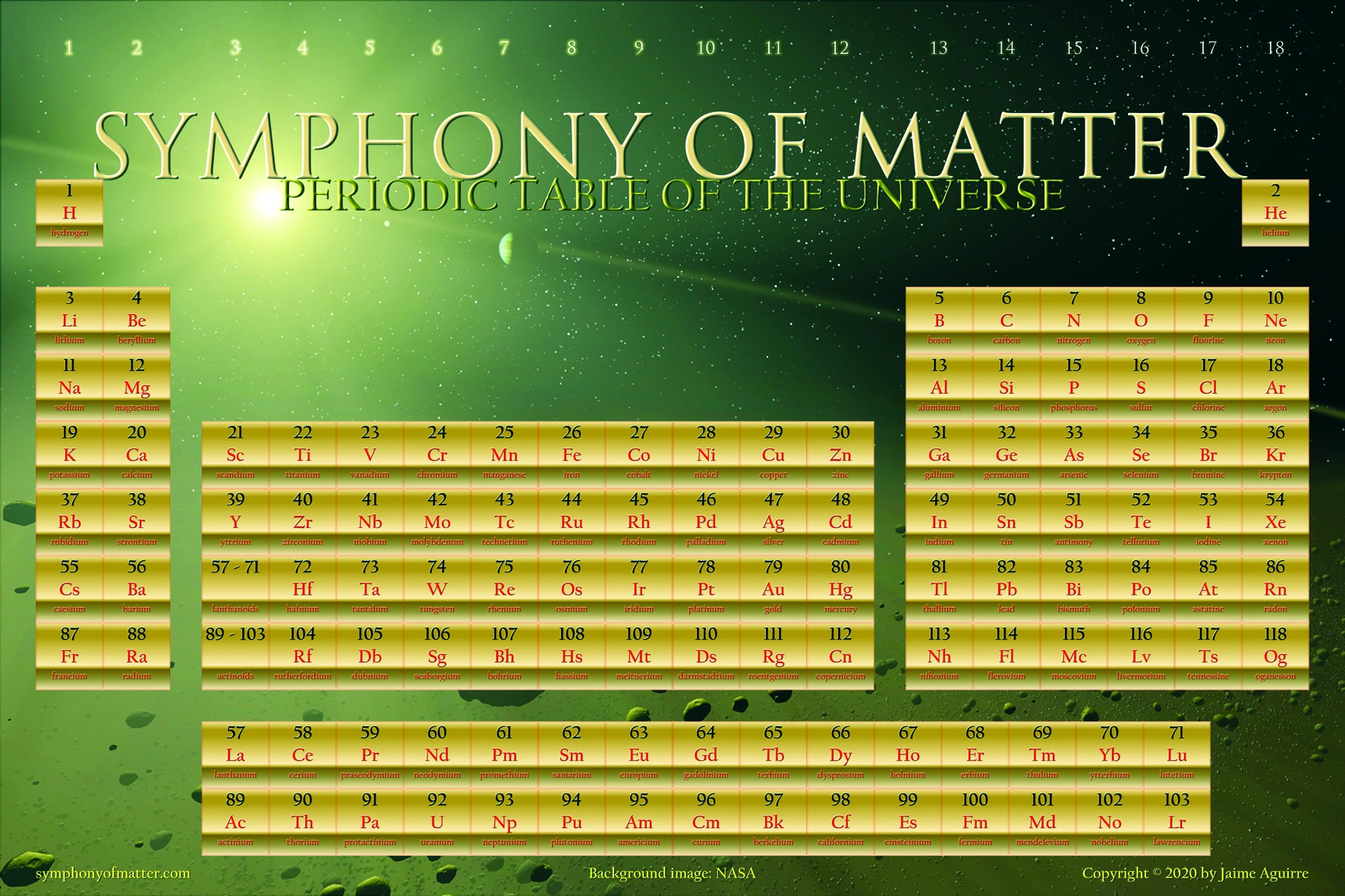
008
This artist’s concept depicts a distant hypothetical solar system, similar in age to our own. Looking inward from the system’s outer fringes, a ring of dusty debris can be seen, and within it, planets circling a star the size of our Sun.
009
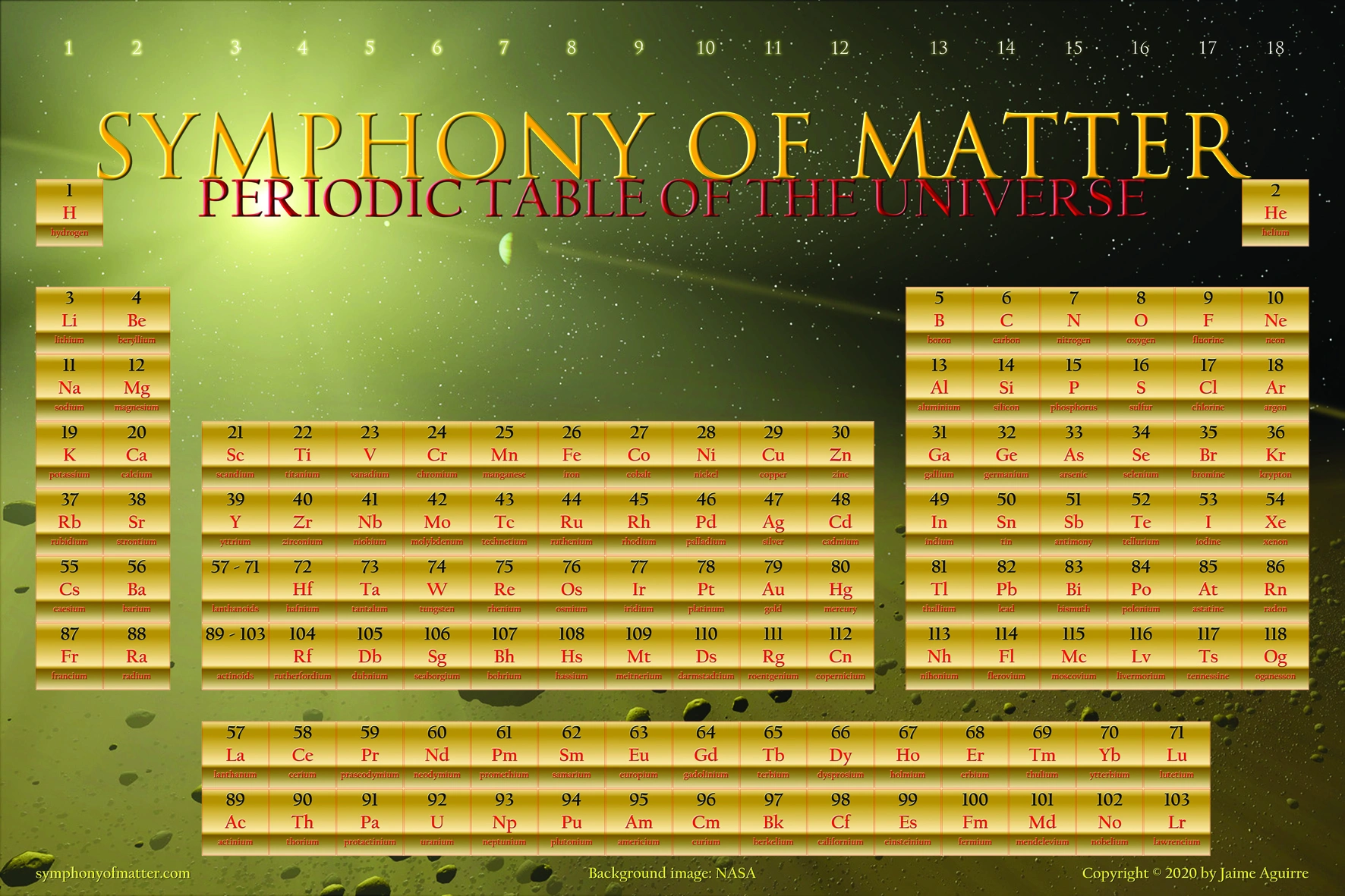
This artist’s concept depicts a distant hypothetical solar system, similar in age to our own. Looking inward from the system’s outer fringes, a ring of dusty debris can be seen, and within it, planets circling a star the size of our Sun.
010
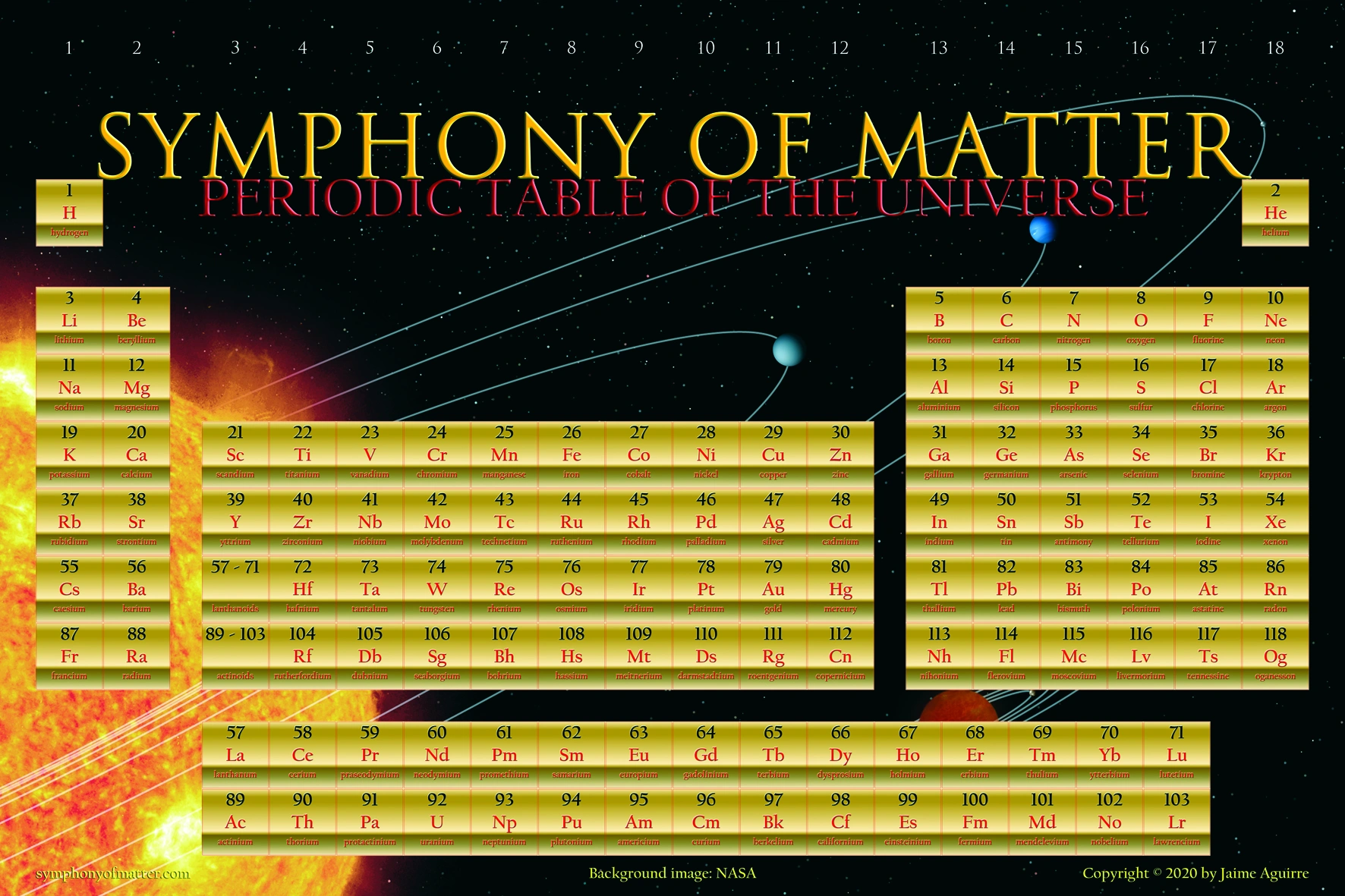
This artist’s concept depicts a distant hypothetical solar system, similar in age to our own. Looking inward from the system’s outer fringes, a ring of dusty debris can be seen, and within it, planets circling a star the size of our Sun.
011
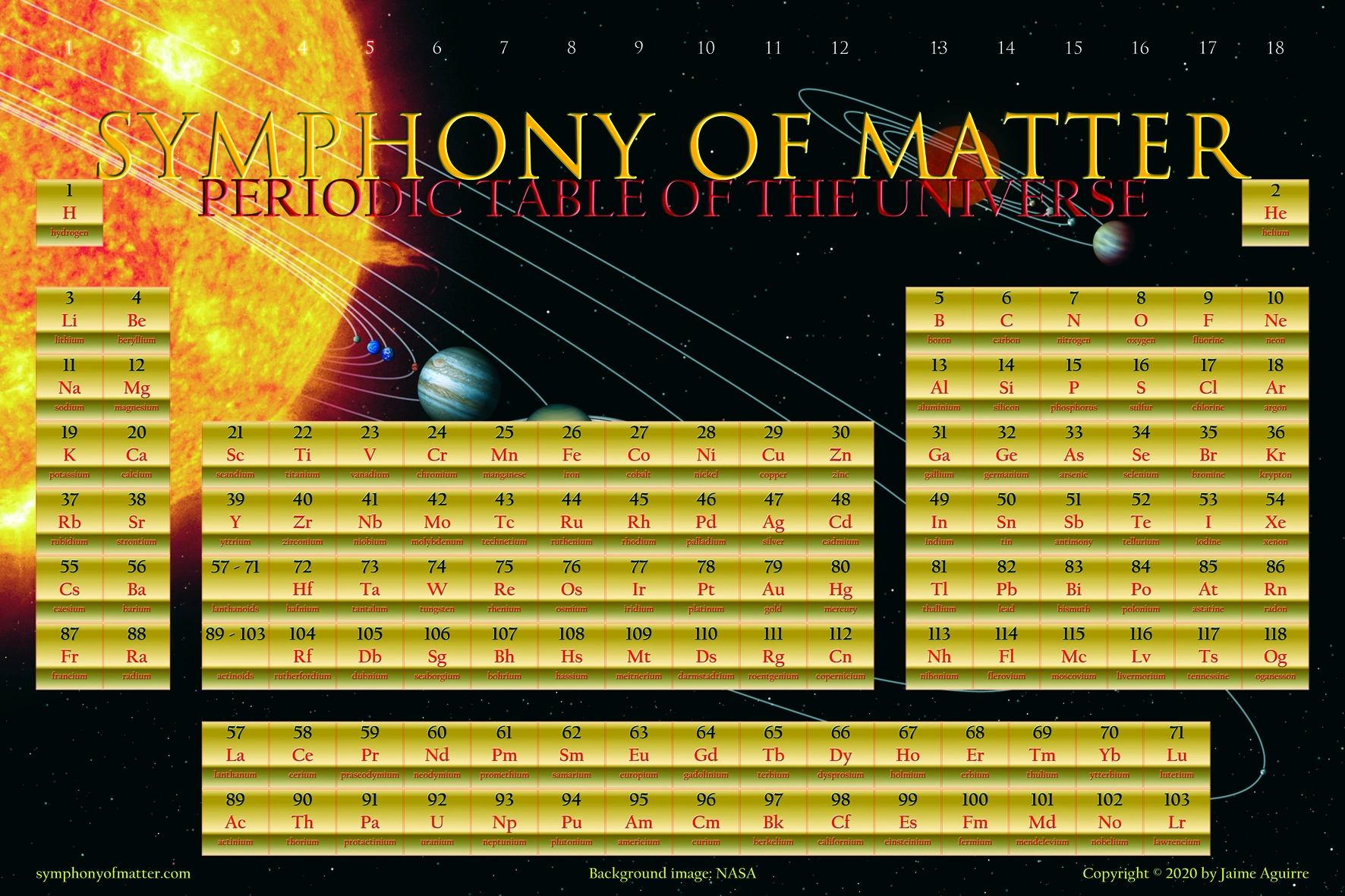
This artist’s conception shows the relative size of a hypothetical brown dwarf-planetary system compared to our own solar system. A brown dwarf is a cool or “failed” star, which lacks the mass to ignite and shine like our sun.
012
This artist’s conception shows the relative size of a hypothetical brown dwarf-planetary system compared to our own solar system. A brown dwarf is a cool or “failed” star, which lacks the mass to ignite and shine like our sun.
013
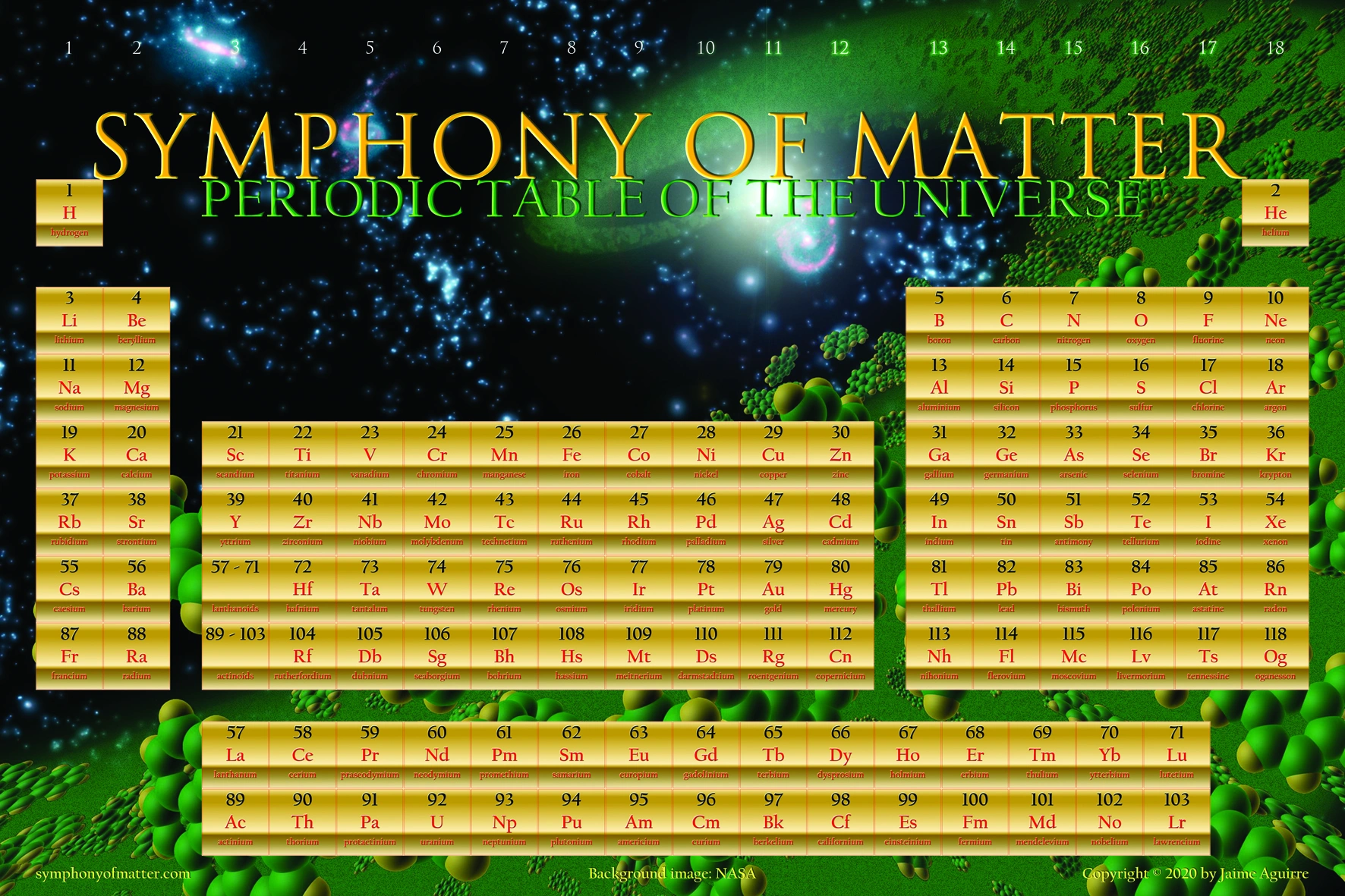
This artist’s conception symbolically represents complex organic molecules, known as polycyclic aromatic hydrocarbons, seen in the early universe. These large molecules, comprised of carbon and hydrogen, are among the building blocks of life.
014
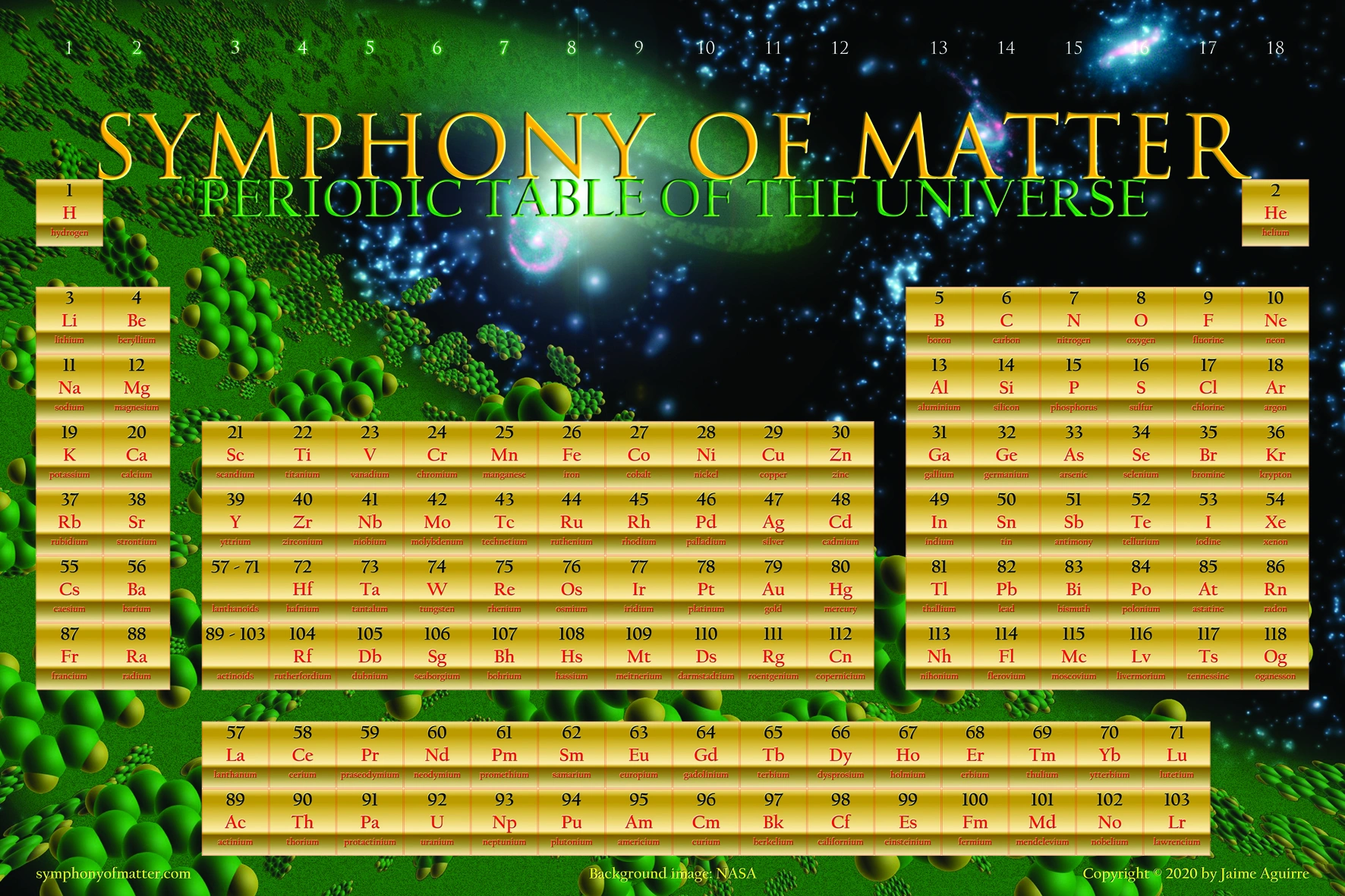
This artist’s conception symbolically represents complex organic molecules, known as polycyclic aromatic hydrocarbons, seen in the early universe. These large molecules, comprised of carbon and hydrogen, are among the building blocks of life.
015
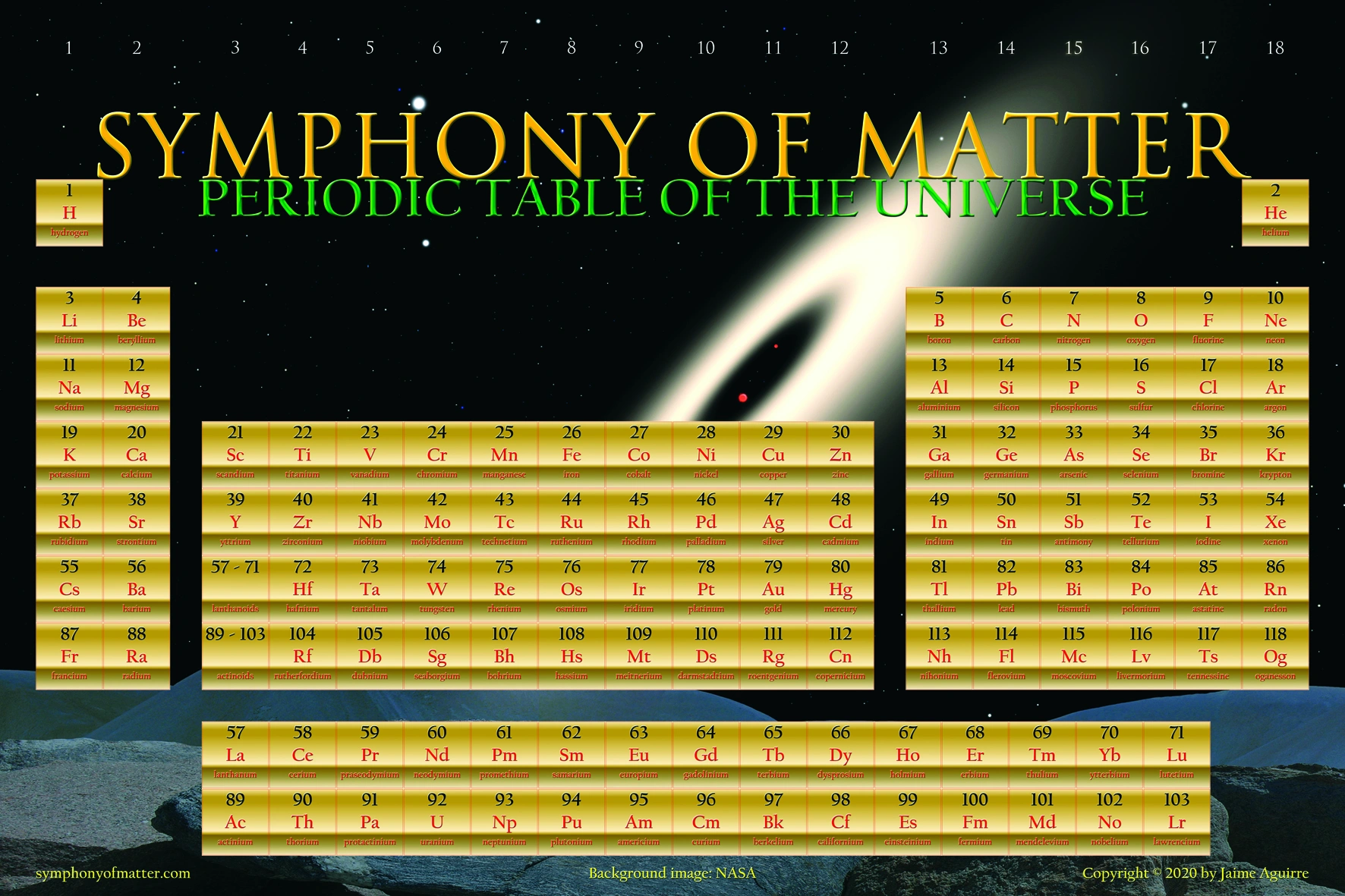
Astronomers were surprised to discover a 25-million-year-old protoplanetary disk around a pair of red dwarf stars 350 light-years away in the Stephenson 34 system. Gravitational stirring by the binary star system (shown in this artist’s conception) may have prevented planet formation.
016
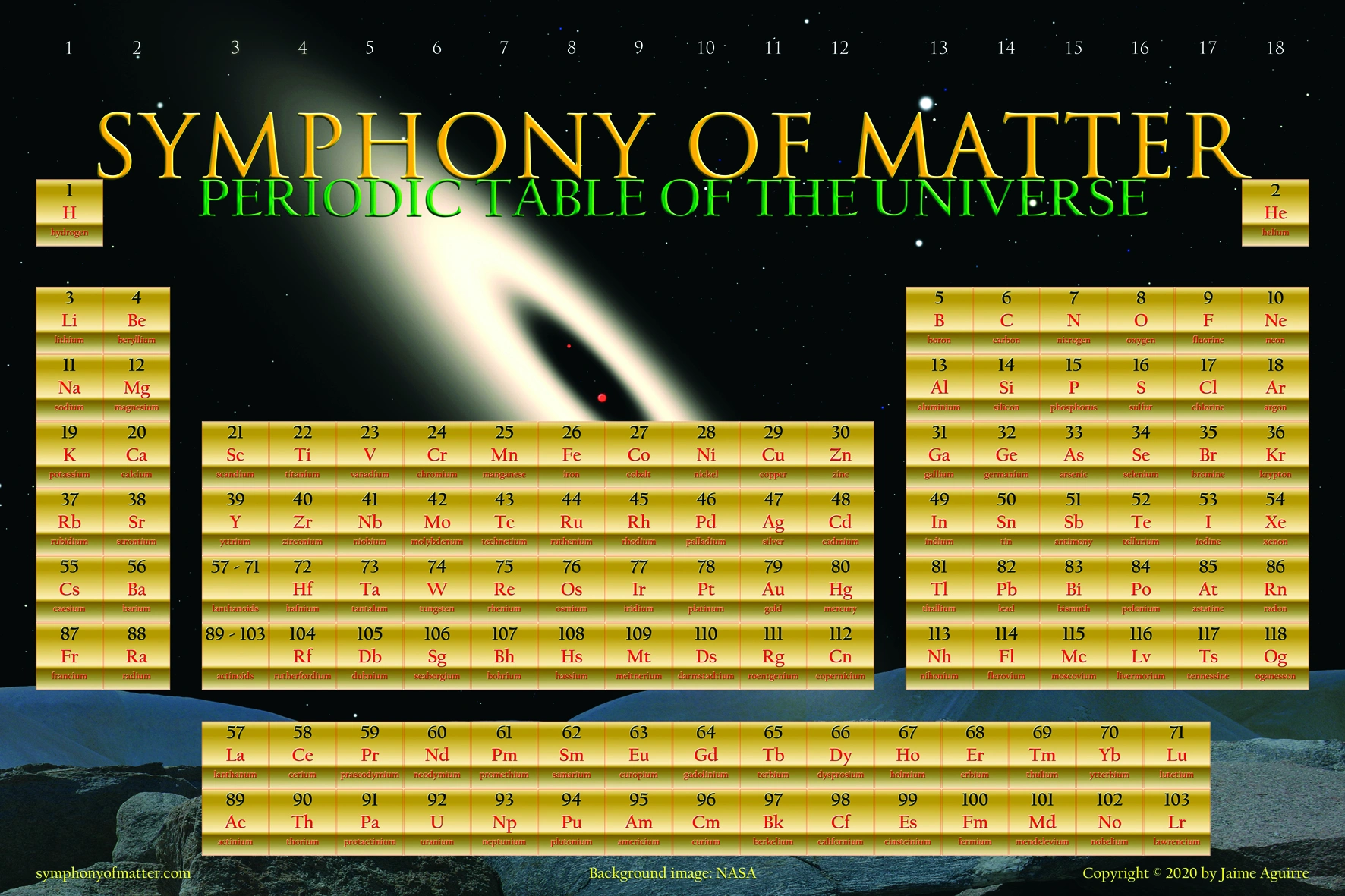
Astronomers were surprised to discover a 25-million-year-old protoplanetary disk around a pair of red dwarf stars 350 light-years away in the Stephenson 34 system. Gravitational stirring by the binary star system (shown in this artist’s conception) may have prevented planet formation.
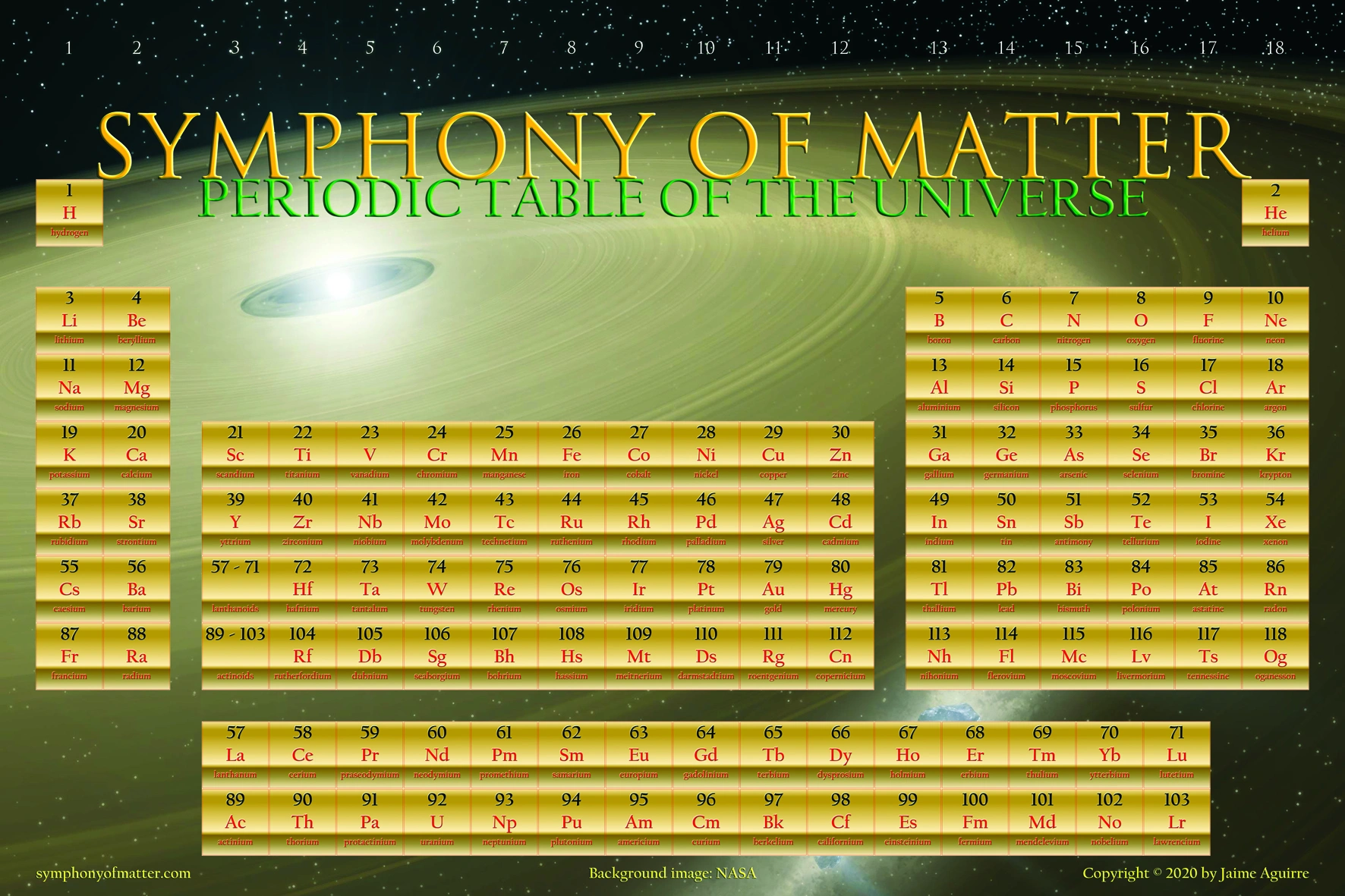
017
This artist’s concept illustrates a comet being torn to shreds around G29-3, a so-called dead star, or white dwarf. NASA’s Spitzer Space Telescope observed a cloud of dust around this white dwarf that may have been generated from this type of comet disruption.
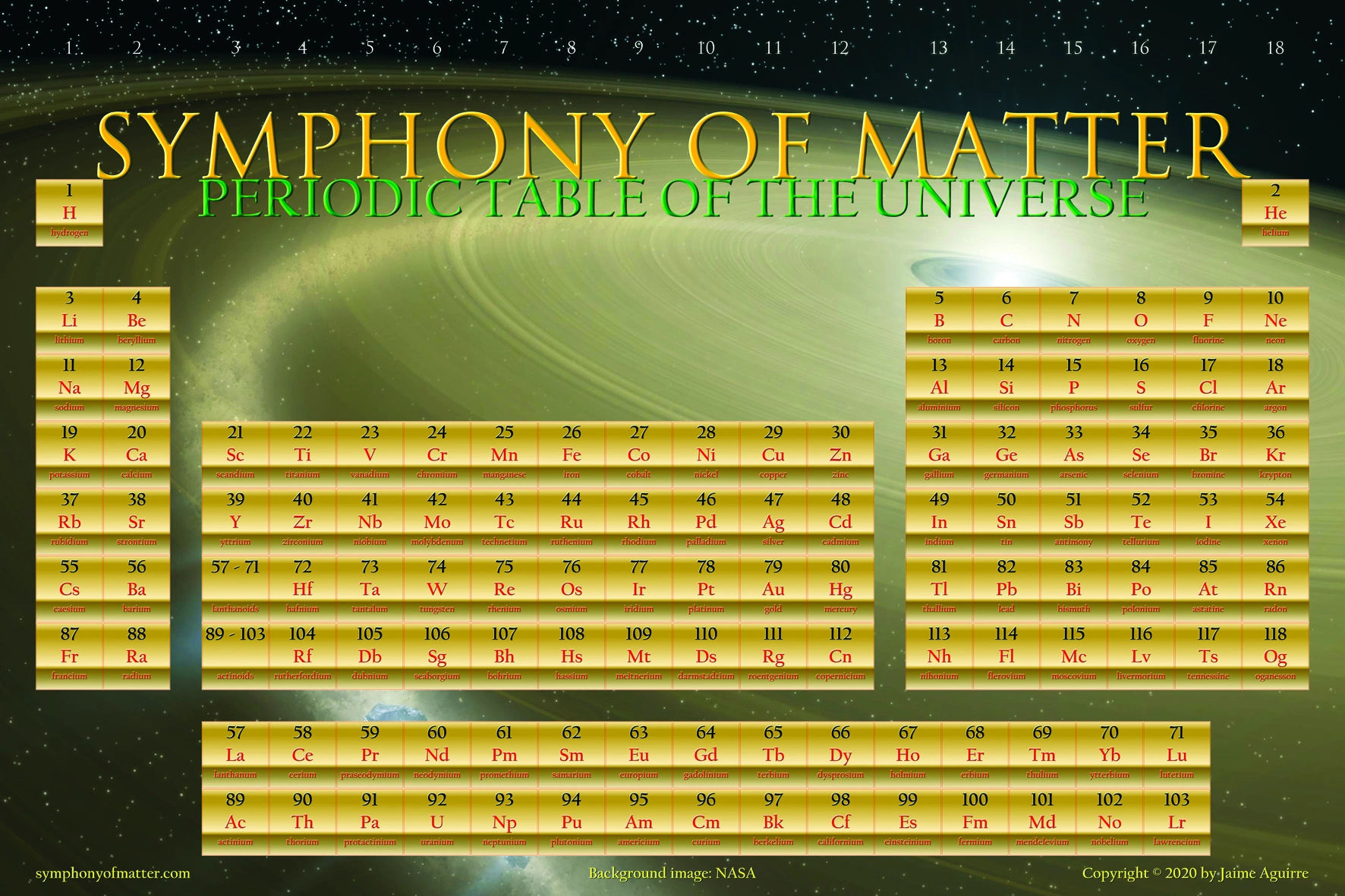
018
This artist’s concept illustrates a comet being torn to shreds around G29-3, a so-called dead star, or white dwarf. NASA’s Spitzer Space Telescope observed a cloud of dust around this white dwarf that may have been generated from this type of comet disruption.
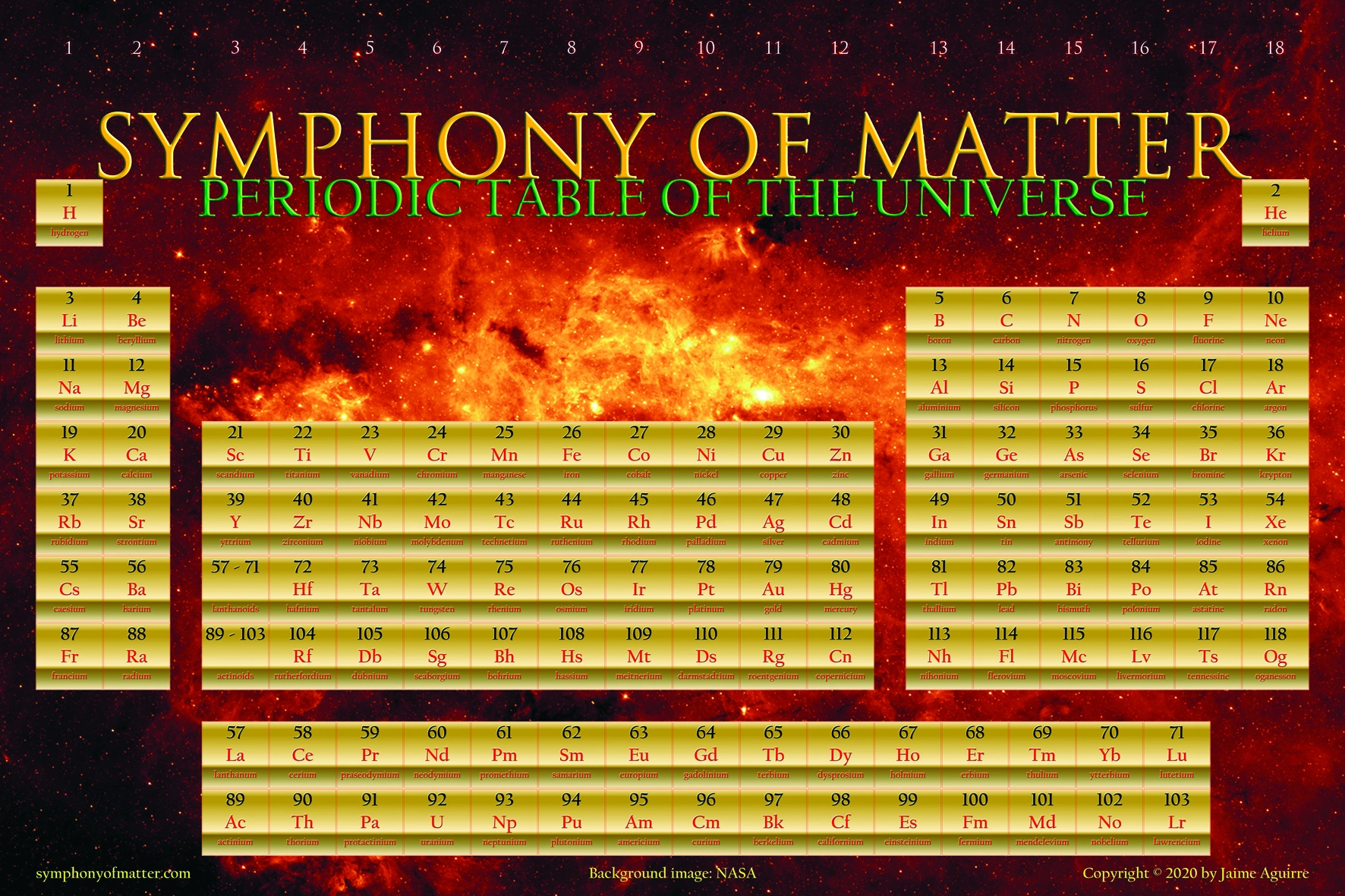
019
Our Milky Way is a dusty place. So dusty, in fact, that we cannot see the center of the galaxy in visible light. But when NASA’s Spitzer Space Telescope set its infrared eyes on the galactic center, it captured this spectacular view.
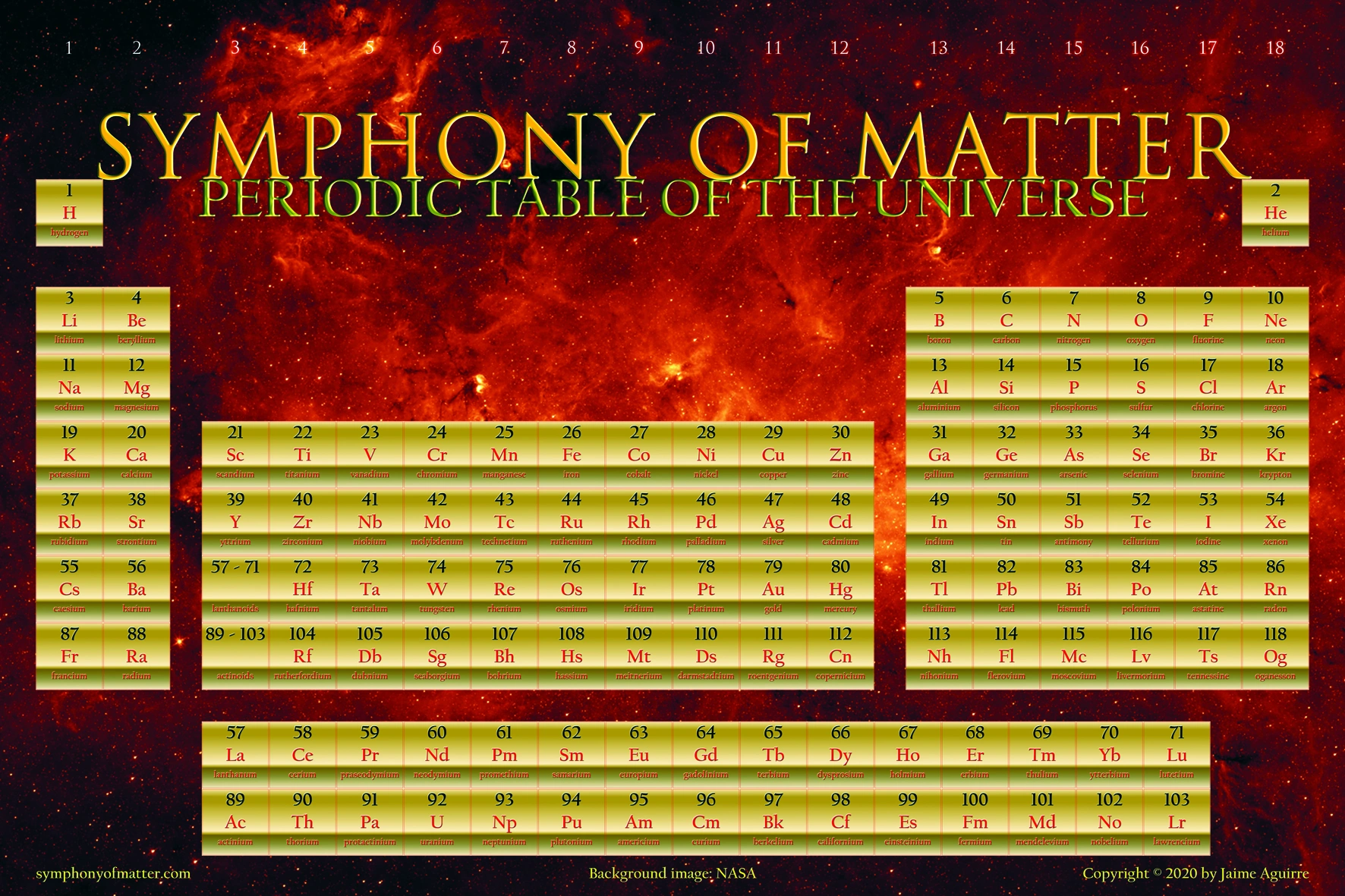
020
Our Milky Way is a dusty place. So dusty, in fact, that we cannot see the center of the galaxy in visible light. But when NASA’s Spitzer Space Telescope set its infrared eyes on the galactic center, it captured this spectacular view.
021
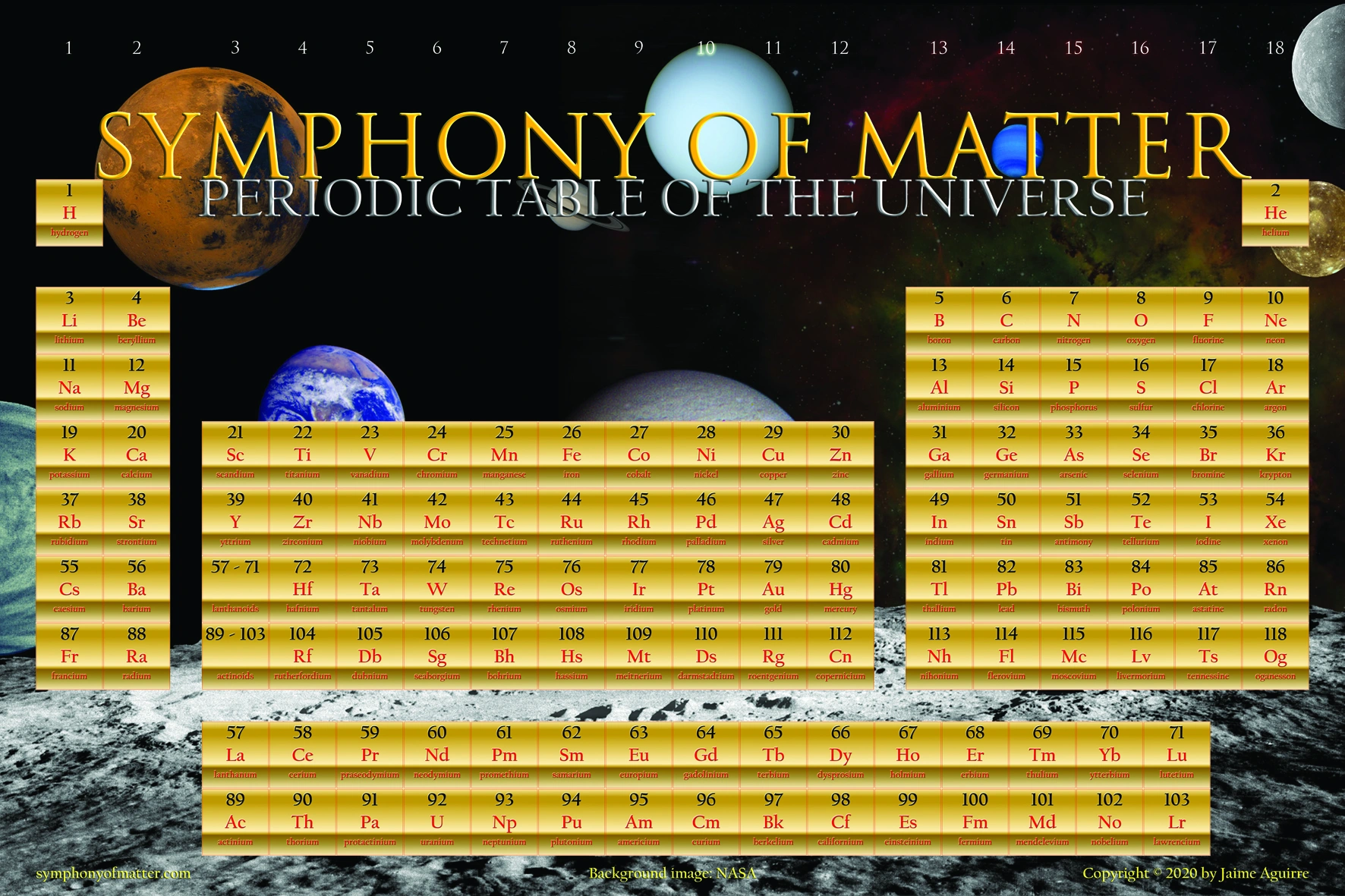
This montage of images taken by the Voyager spacecraft of the planets and four of Jupiter’s moons is set against a false-color Rosette Nebula with Earth’s moon in the foreground.
022
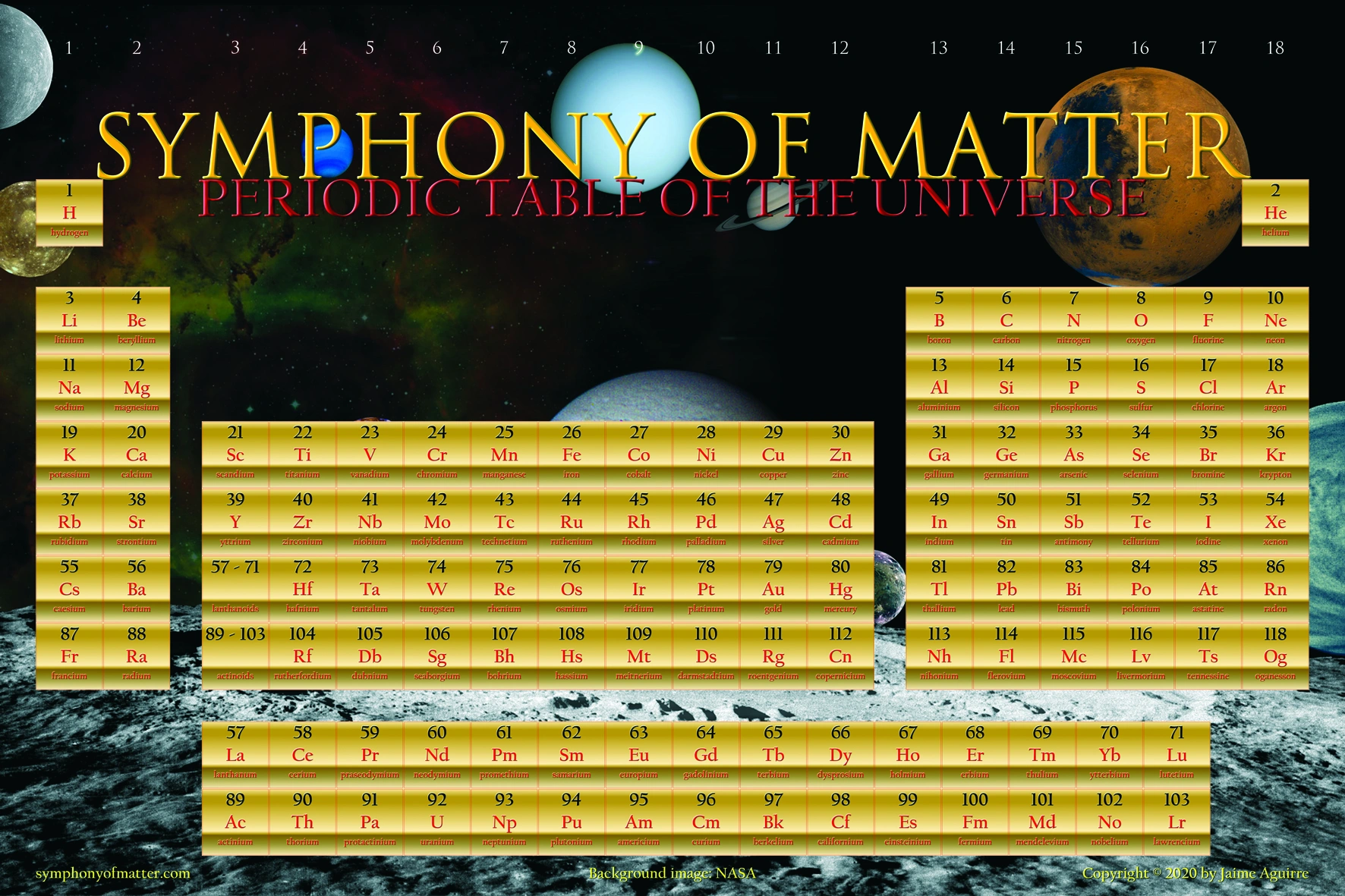
This montage of images taken by the Voyager spacecraft of the planets and four of Jupiter’s moons is set against a false-color Rosette Nebula with Earth’s moon in the foreground.
023
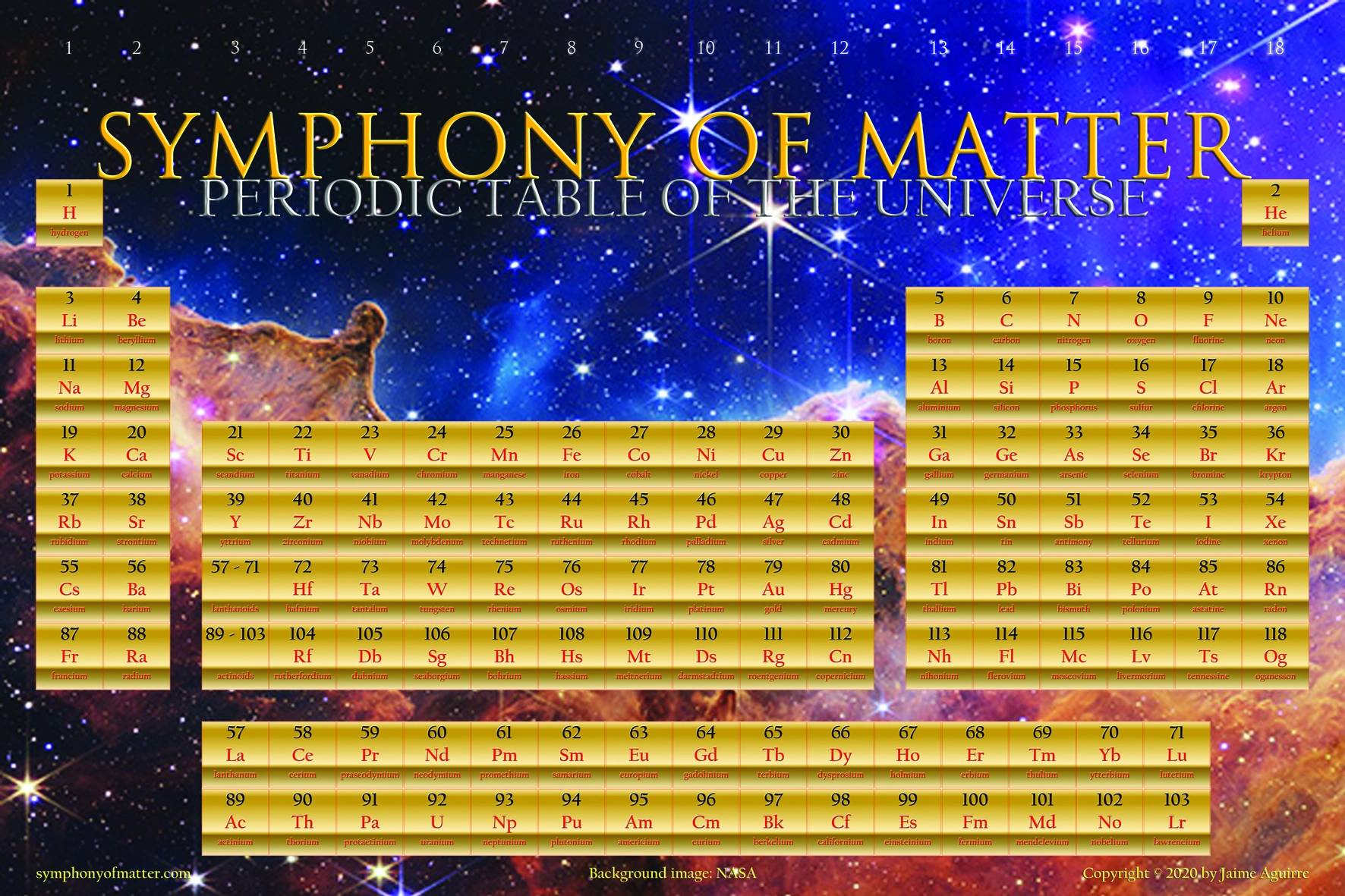
What looks much like craggy mountains on a moonlit evening is actually the edge of a nearby, young, star-forming region NGC 3324 in the Carina Nebula.
024
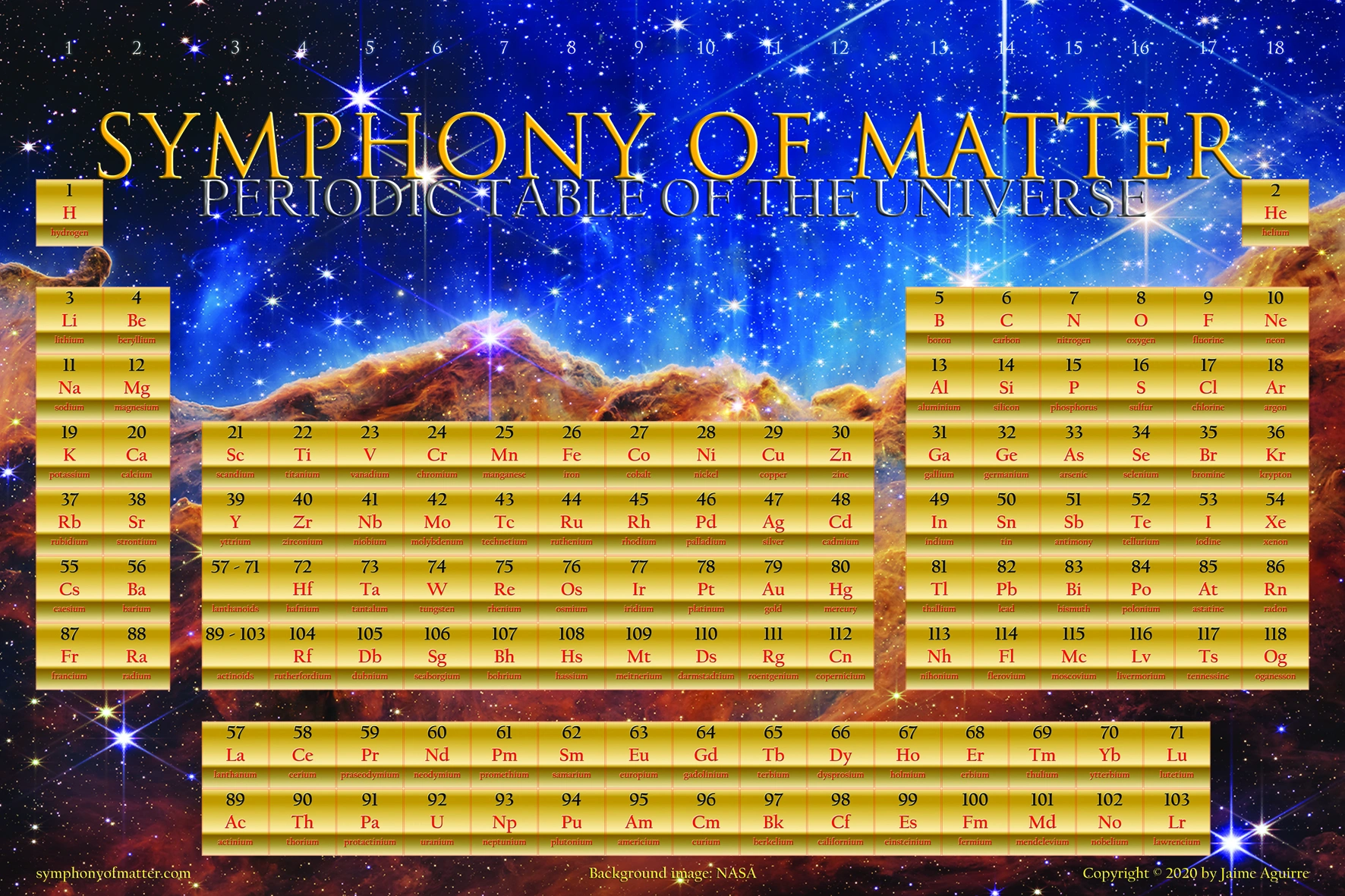
What looks much like craggy mountains on a moonlit evening is actually the edge of a nearby, young, star-forming region NGC 3324 in the Carina Nebula.
025
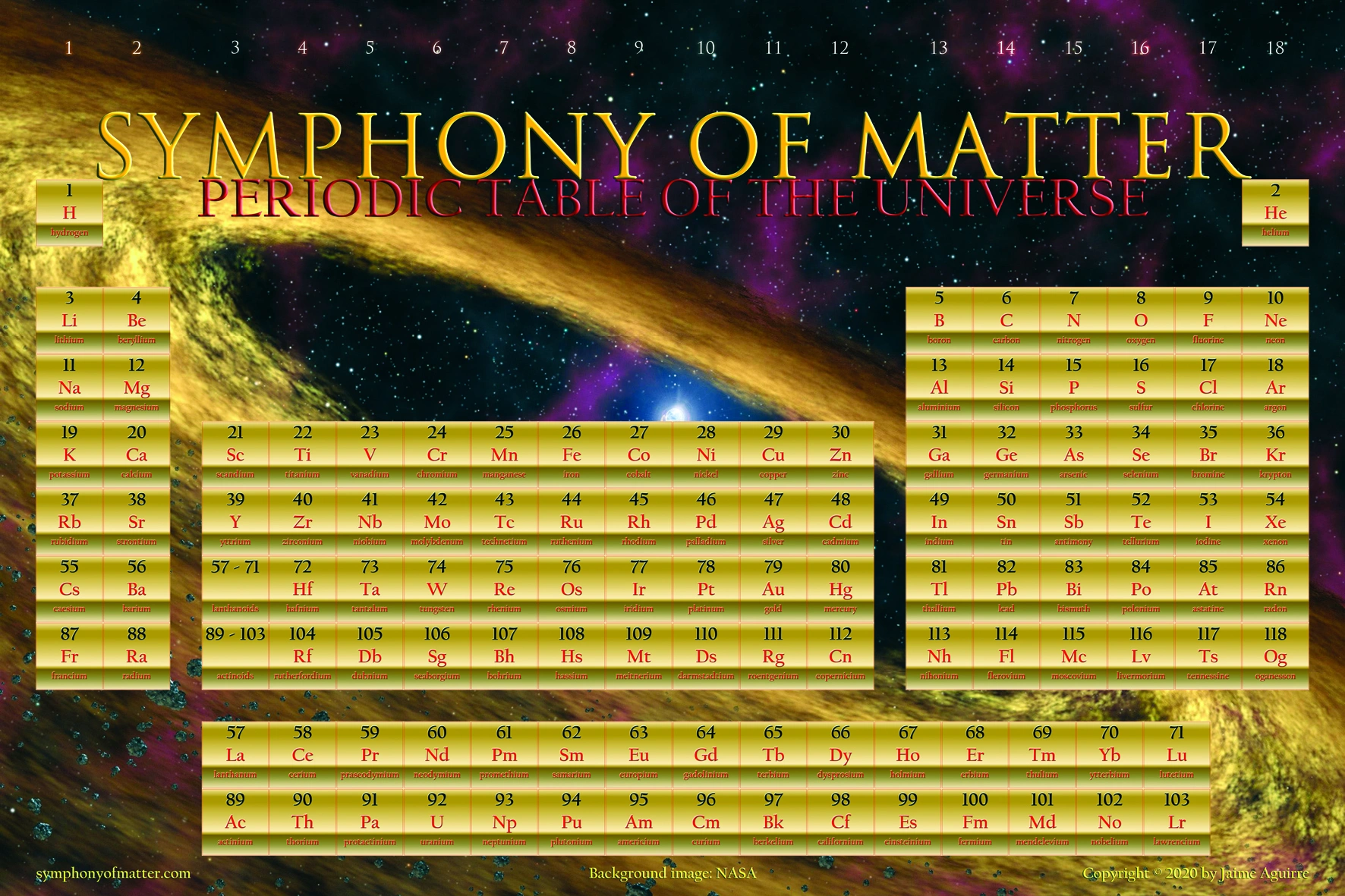
This artist’s concept depicts a pulsar, which is a type of dead star, as well as the surrounding disk of rubble discovered by NASA’s Spitzer Space Telescope. The pulsar, called 4U 0142+61, was once a massive star until about 100,000 years ago when it blew up in a supernova explosion and scattered dusty debris into space.
026
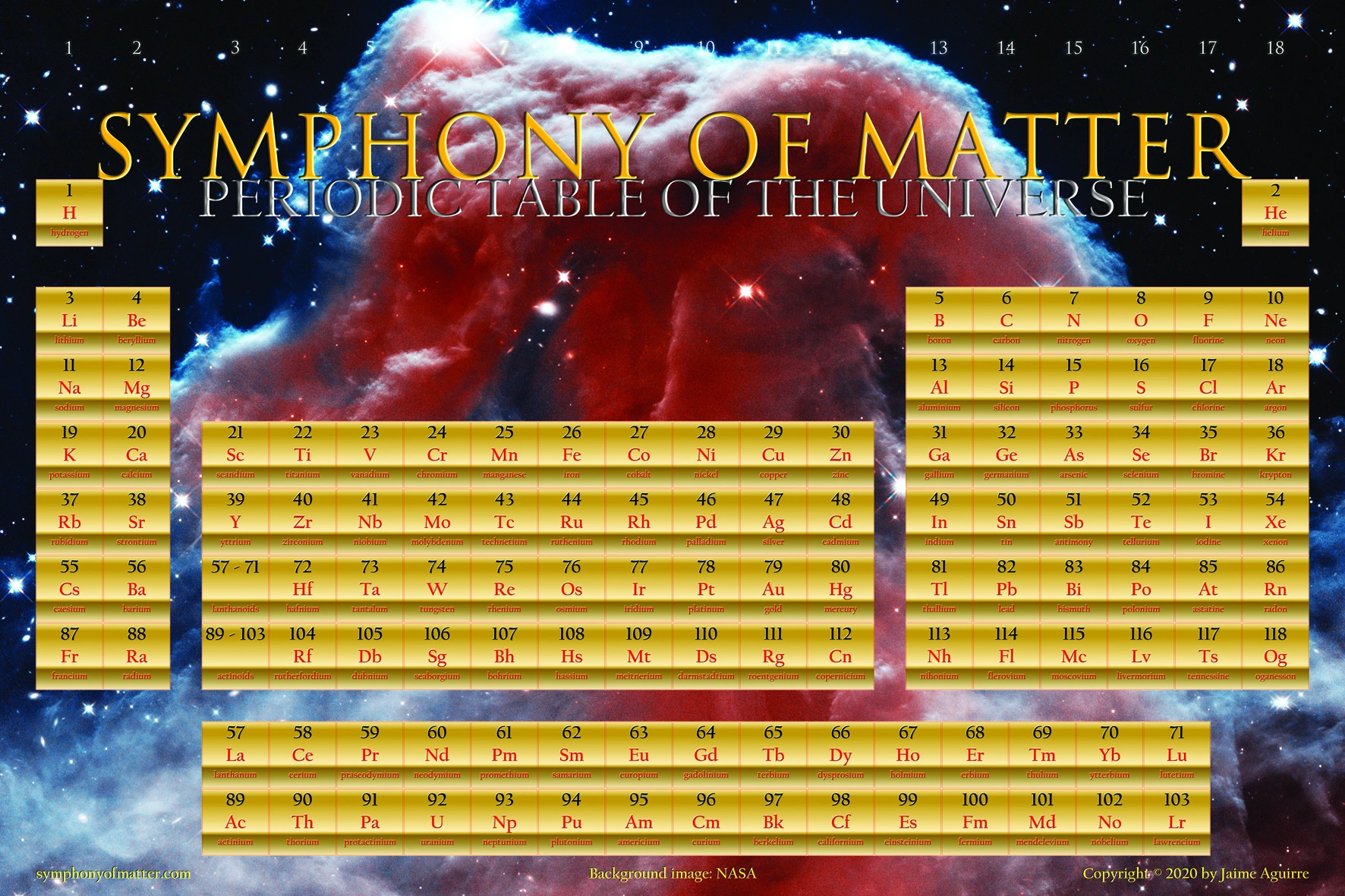
This new Hubble image, captured and released to celebrate the telescope’s 23rd year in orbit, shows part of the sky in the constellation of Orion (The Hunter). Rising like a giant seahorse from turbulent waves of dust and gas is the Horsehead Nebula, otherwise known as Barnard 33.
This image shows the region in infrared light, which has longer wavelengths than visible light and can pierce through the dusty material that usually obscures the nebula’s inner regions. The result is a rather ethereal and fragile-looking structure, made of delicate folds of gas — very different to the nebula’s appearance in visible light.
027
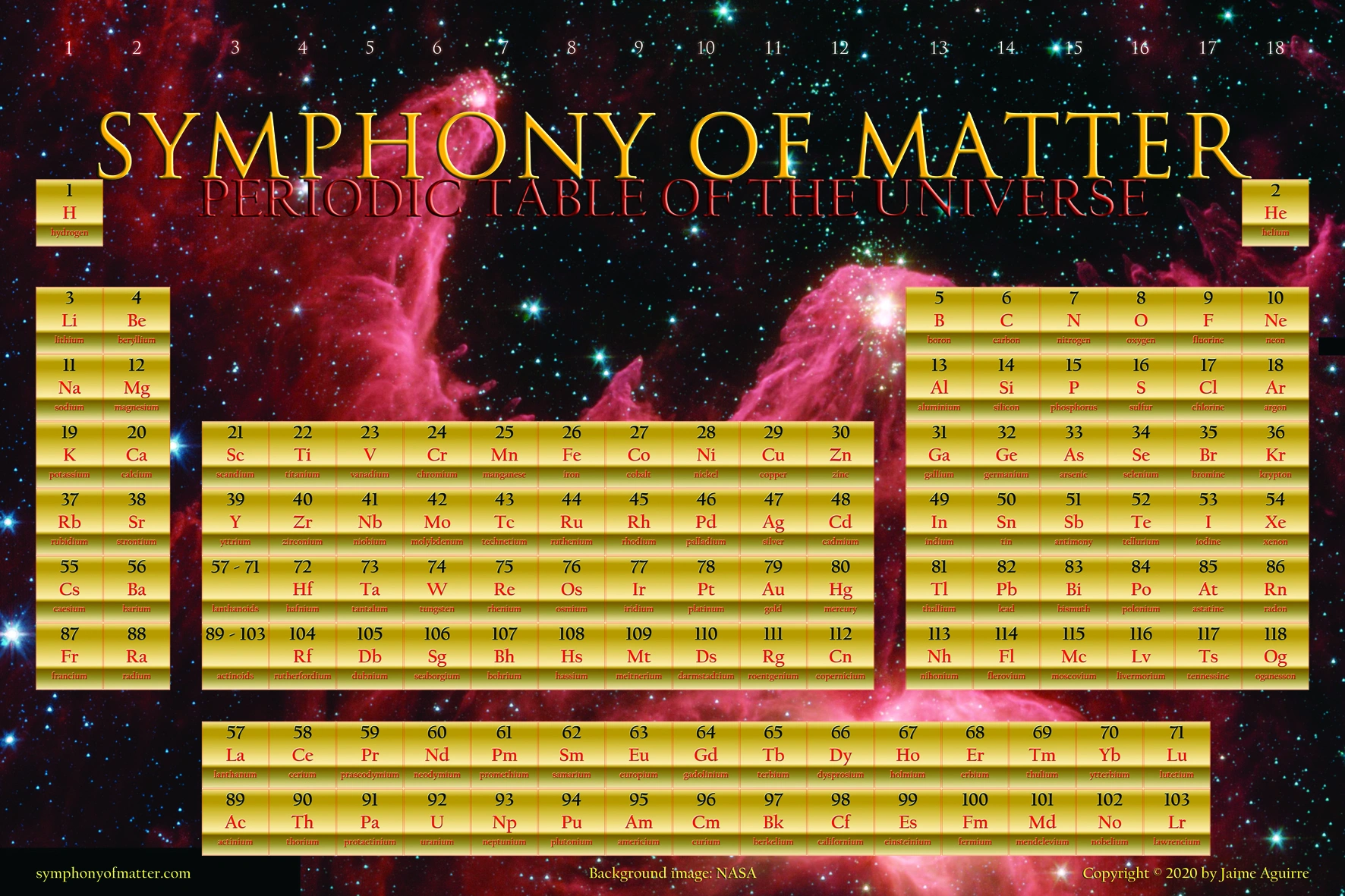
The image composite compares an infrared image taken by NASA’s Spitzer Space Telescope to a visible-light picture of the same region. While the infrared view, dubbed “Mountains of Creation”, reveals towering pillars of dust aglow with the light of embryonic stars, the visible-light view shows dark, barely-visible pillars.
028
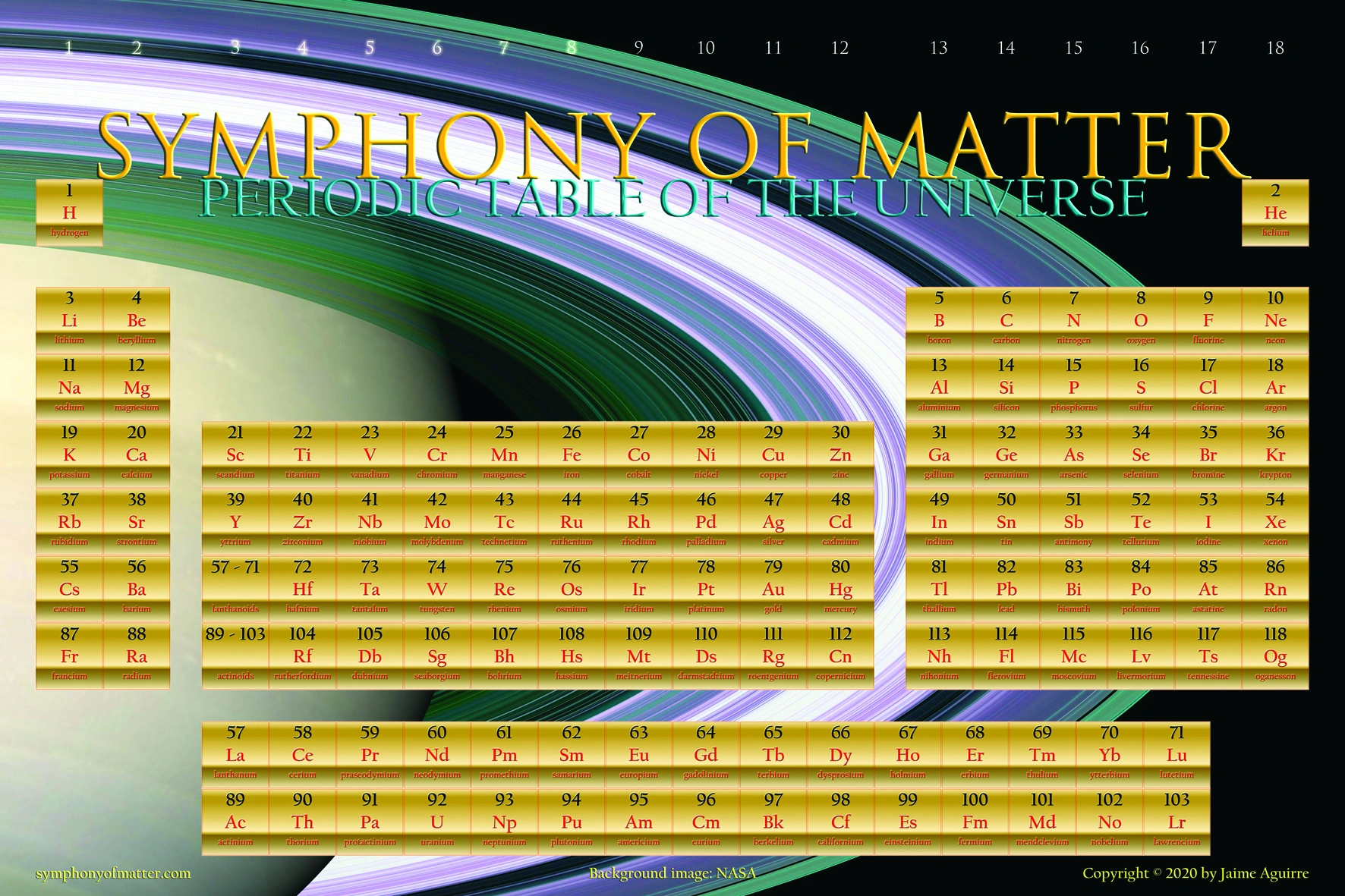
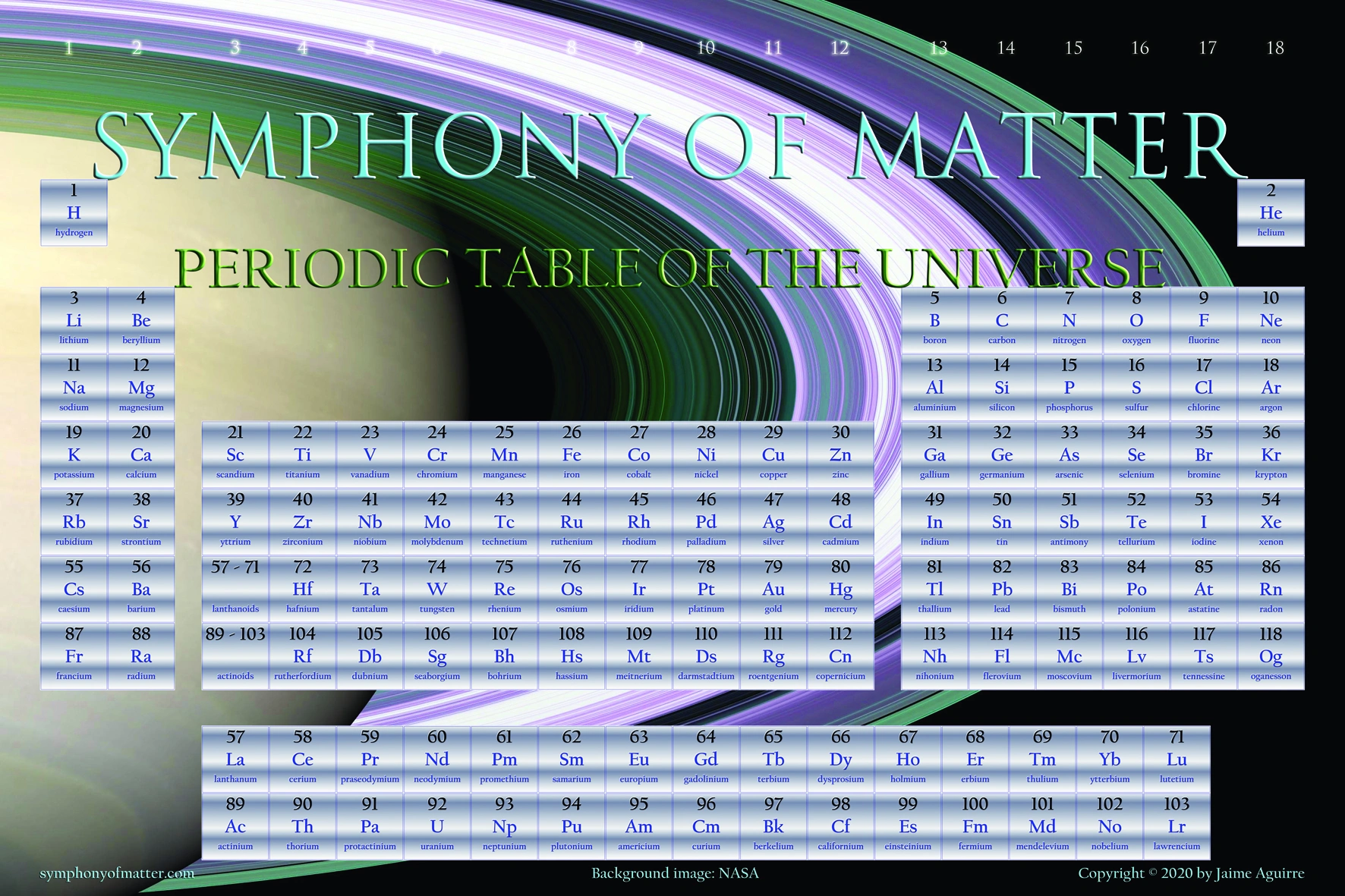
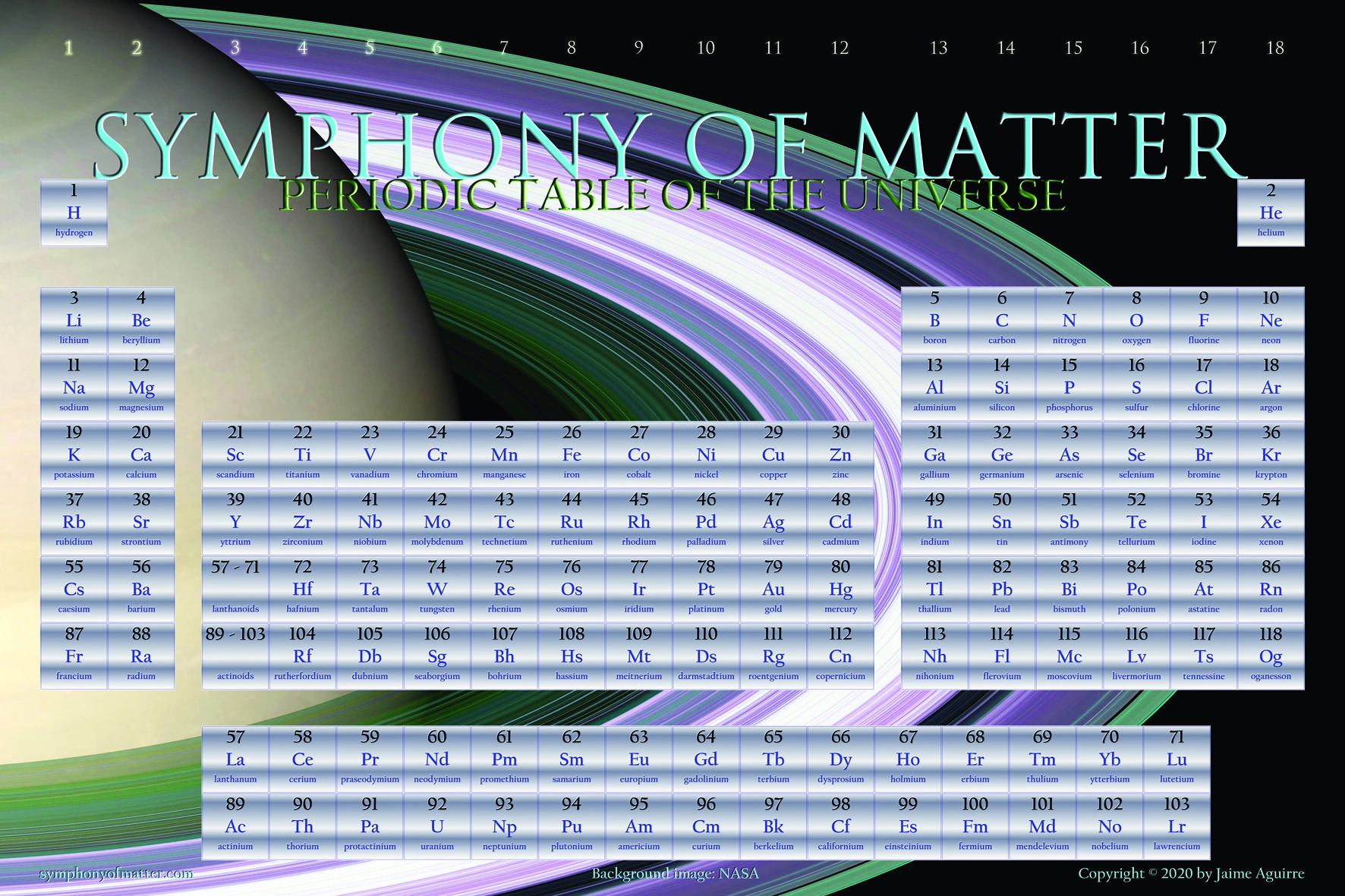
In this simulated image of Saturn’s rings, color is used to present information about ring particle sizes in different regions based on the measured effects of three radio signals. Three simultaneous radio signals of 0.94, 3.6 and 13 centimeter wavelength (Ka-, X- and S-bands) were sent from the Cassini spacecraft through the rings to Earth.
029
In this simulated image of Saturn’s rings, color is used to present information about ring particle sizes in different regions based on the measured effects of three radio signals. Three simultaneous radio signals of 0.94, 3.6 and 13 centimeter wavelength (Ka-, X- and S-bands) were sent from the Cassini spacecraft through the rings to Earth.
030
In this simulated image of Saturn’s rings, color is used to present information about ring particle sizes in different regions based on the measured effects of three radio signals. Three simultaneous radio signals of 0.94, 3.6 and 13 centimeter wavelength (Ka-, X- and S-bands) were sent from the Cassini spacecraft through the rings to Earth.
031
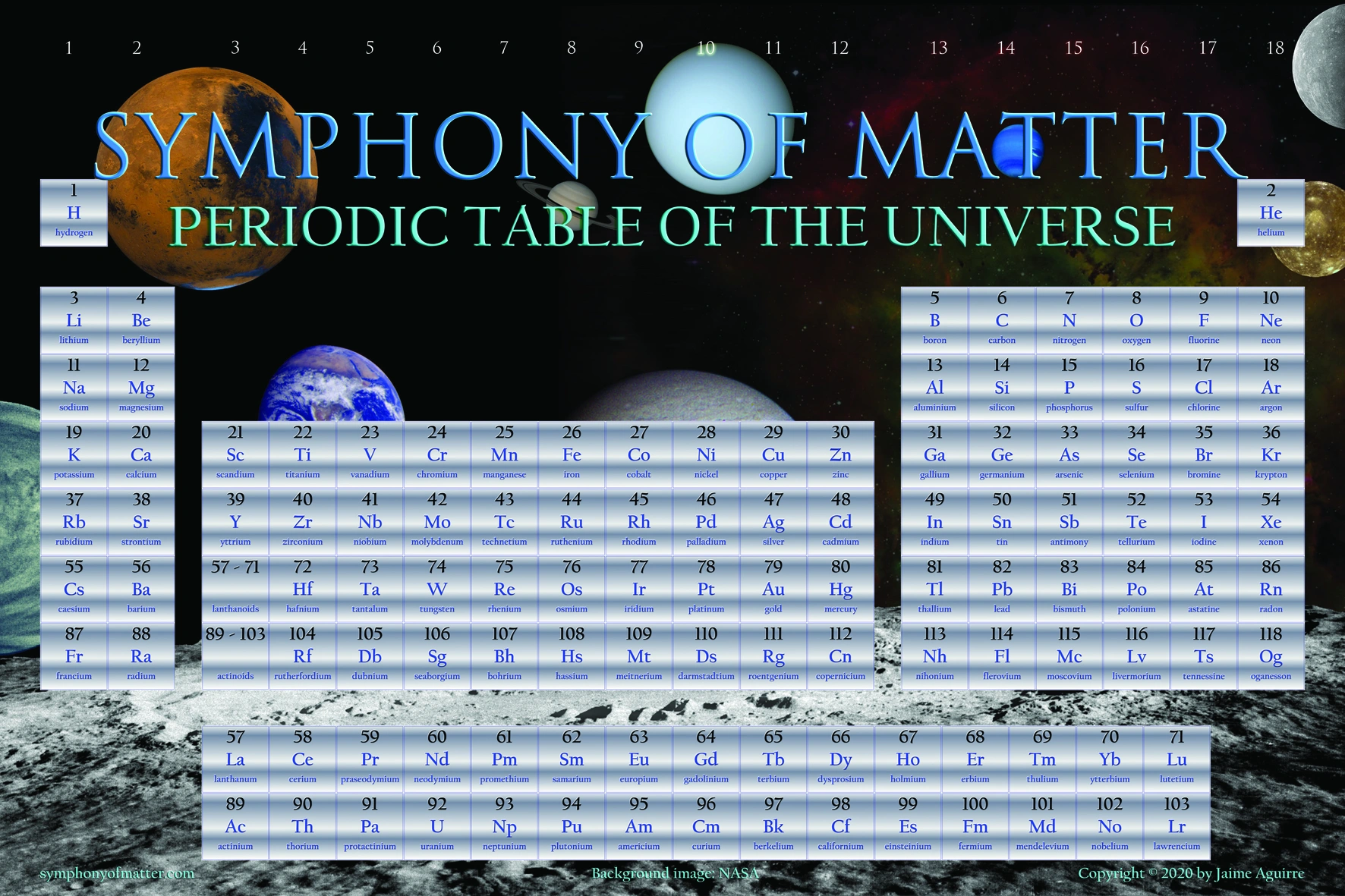
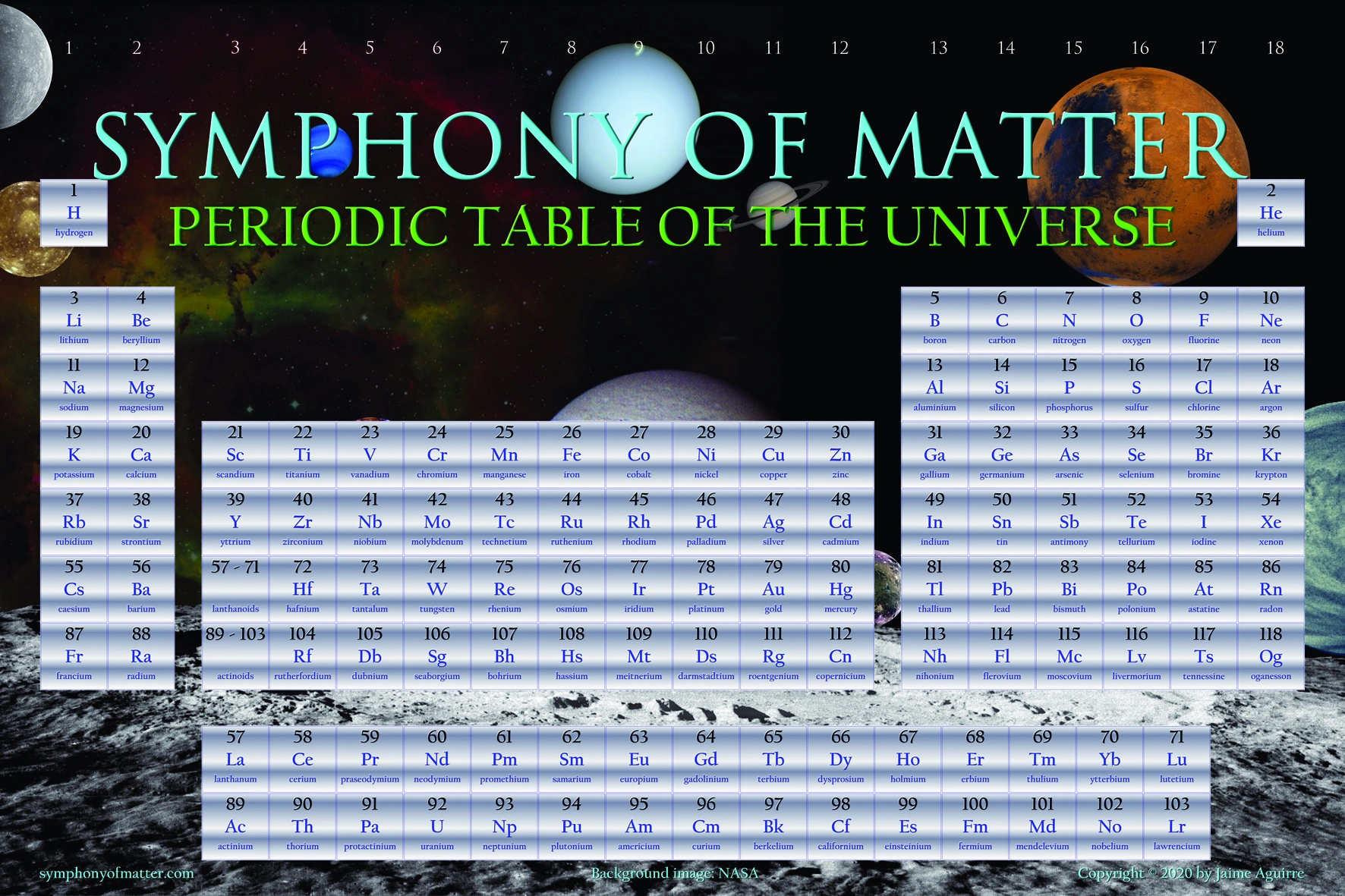
This montage of images taken by the Voyager spacecraft of the planets and four of Jupiter’s moons is set against a false-color Rosette Nebula with Earth’s moon in the foreground.
032
This montage of images taken by the Voyager spacecraft of the planets and four of Jupiter’s moons is set against a false-color Rosette Nebula with Earth’s moon in the foreground.
033
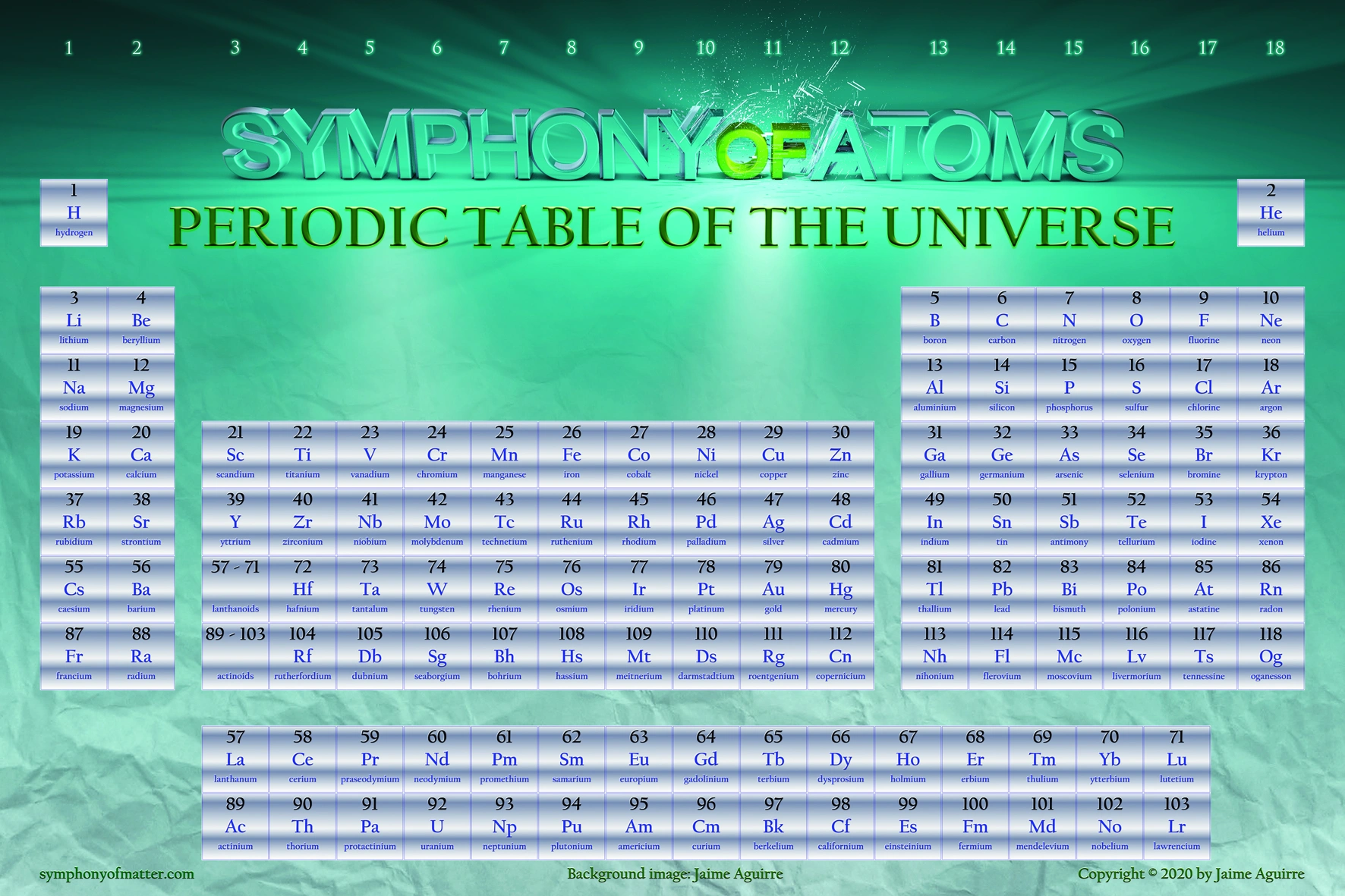
“Symphony of Atoms: Periodic Table of the Universe” beautifully fuses two ideas:
Scientific structure → Periodic Table of the Universe
Artistic harmony → Symphony of Atoms
Together, they express the concept that the elements themselves form a cosmic music — a universal composition connecting chemistry, physics, and astronomy.
034
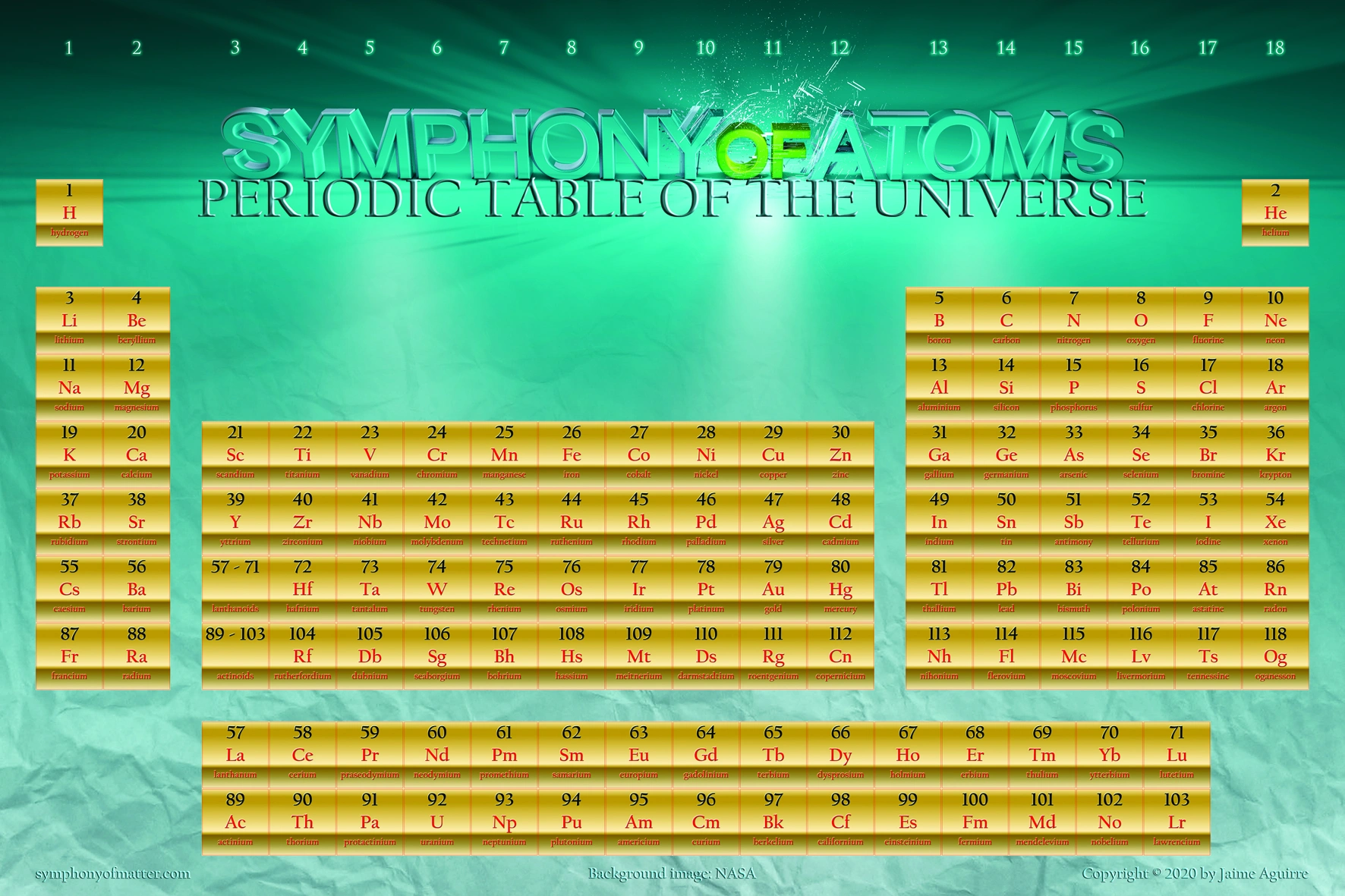
“Symphony of Atoms: Periodic Table of the Universe” beautifully fuses two ideas:
Scientific structure → Periodic Table of the Universe
Artistic harmony → Symphony of Atoms
Together, they express the concept that the elements themselves form a cosmic music — a universal composition connecting chemistry, physics, and astronomy.
035
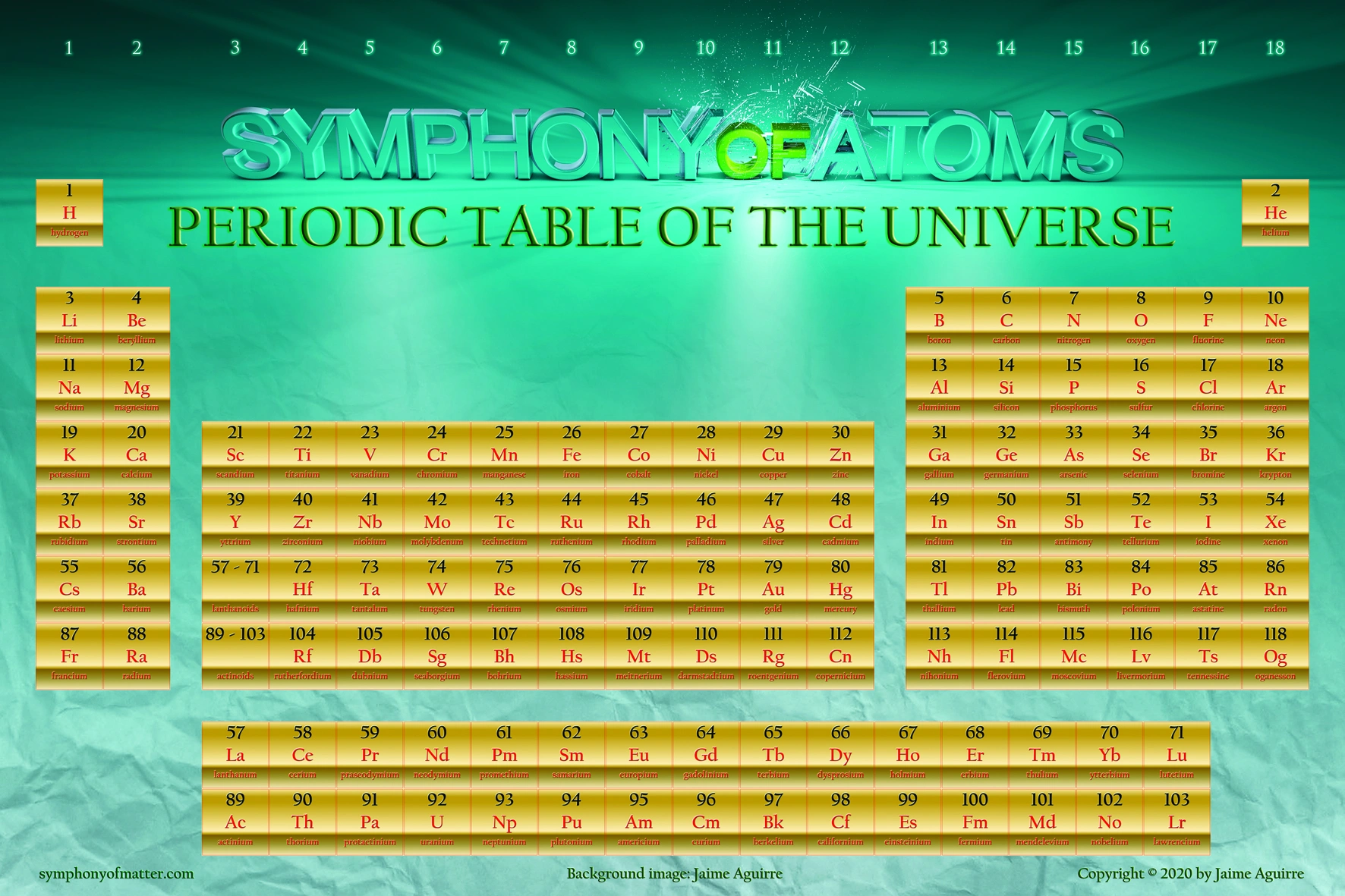
“Symphony of Atoms: Periodic Table of the Universe” beautifully fuses two ideas:
Scientific structure → Periodic Table of the Universe
Artistic harmony → Symphony of Atoms
Together, they express the concept that the elements themselves form a cosmic music — a universal composition connecting chemistry, physics, and astronomy.
036
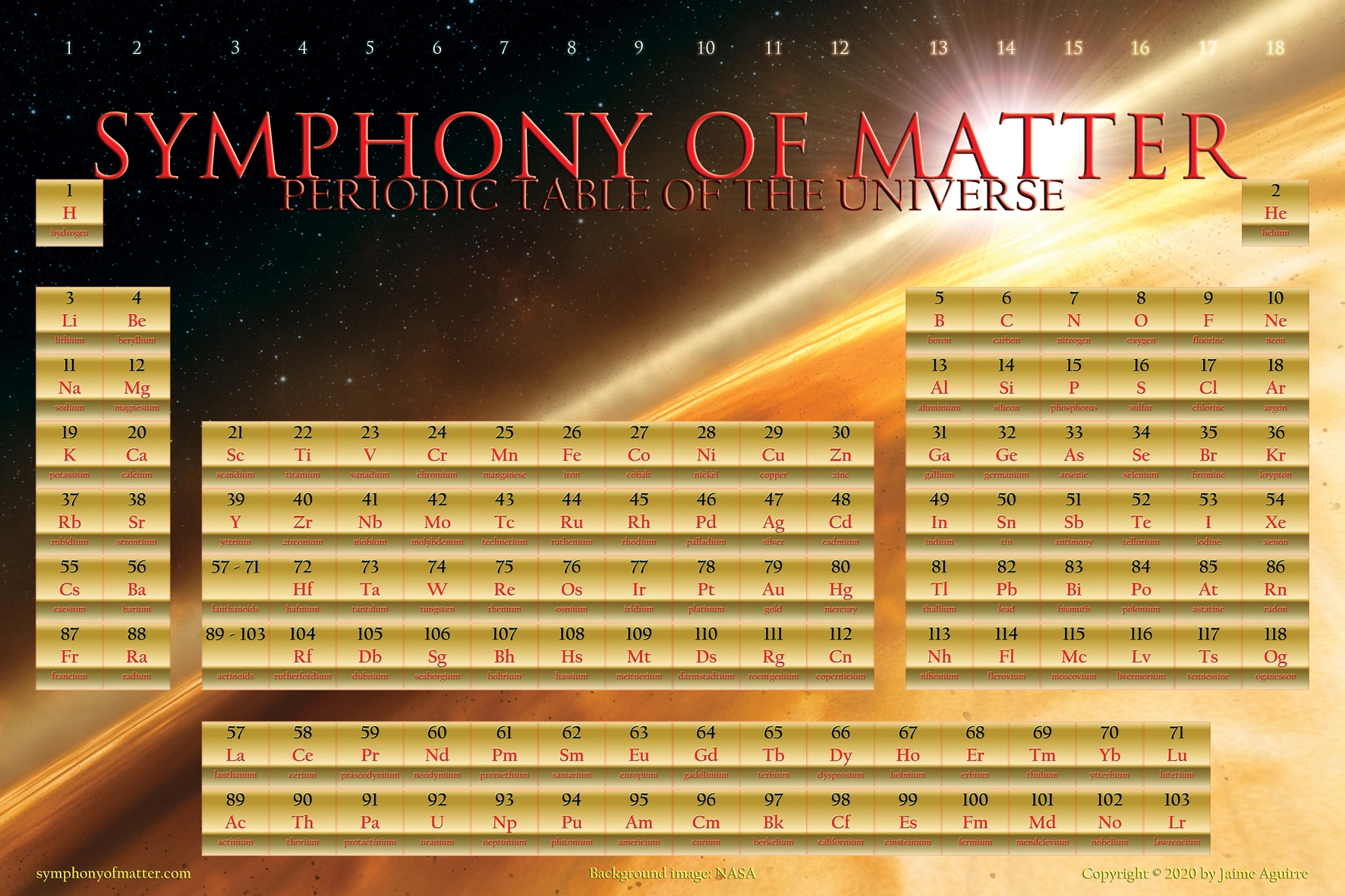
Artist’s Concept of Exoplanet Orbiting Fomalhaut
This illustration shows the newly discovered planet, Fomalhaut b, orbiting its sun, Fomalhaut. A structure comprised mostly of brown and gold colors surrounds Fomalhaut b. This structure is a Saturn-like ring that astronomers say may encircle the planet.
037
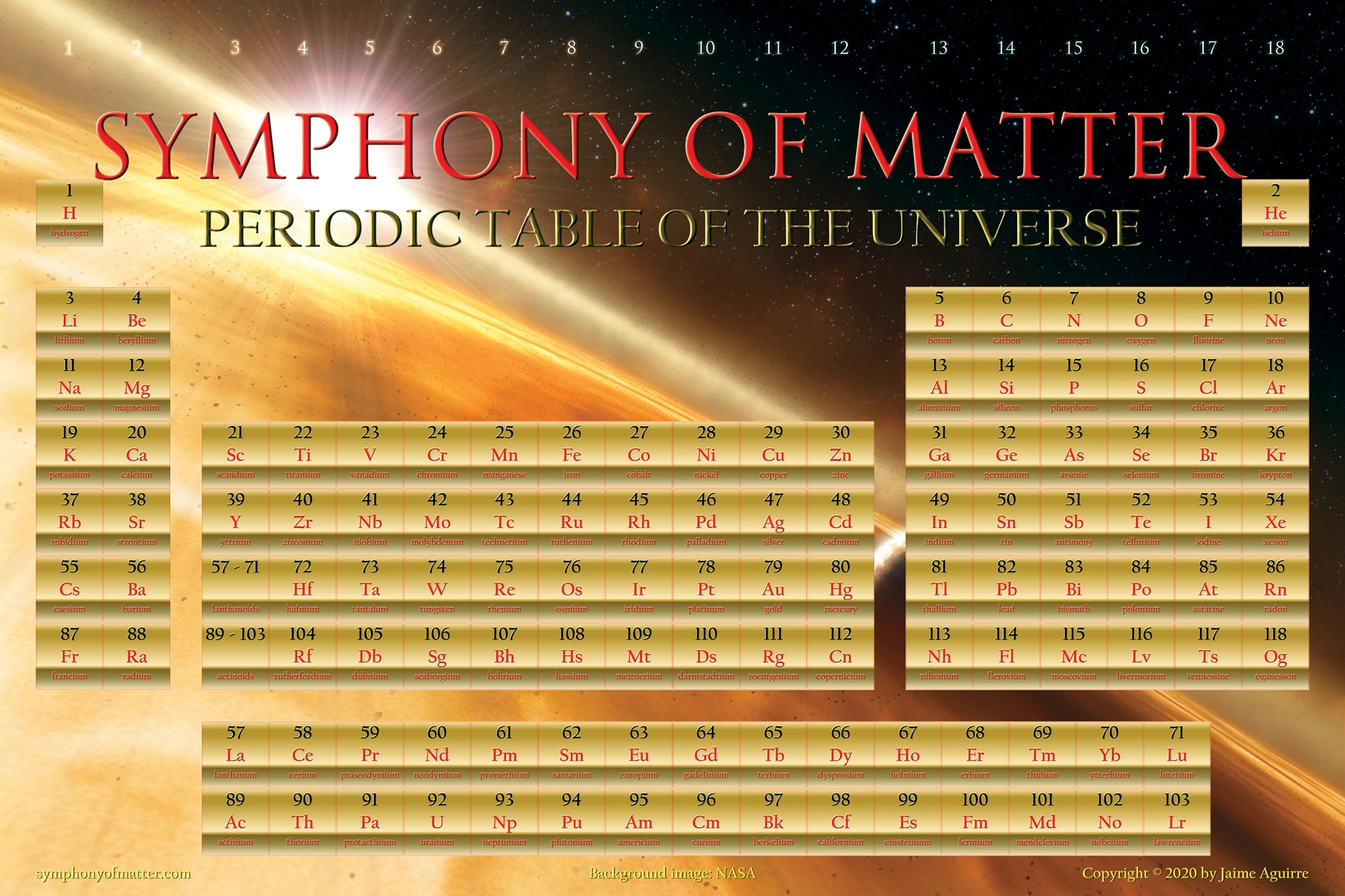
Artist’s Concept of Exoplanet Orbiting Fomalhaut
This illustration shows the newly discovered planet, Fomalhaut b, orbiting its sun, Fomalhaut. A structure comprised mostly of brown and gold colors surrounds Fomalhaut b. This structure is a Saturn-like ring that astronomers say may encircle the planet.
038
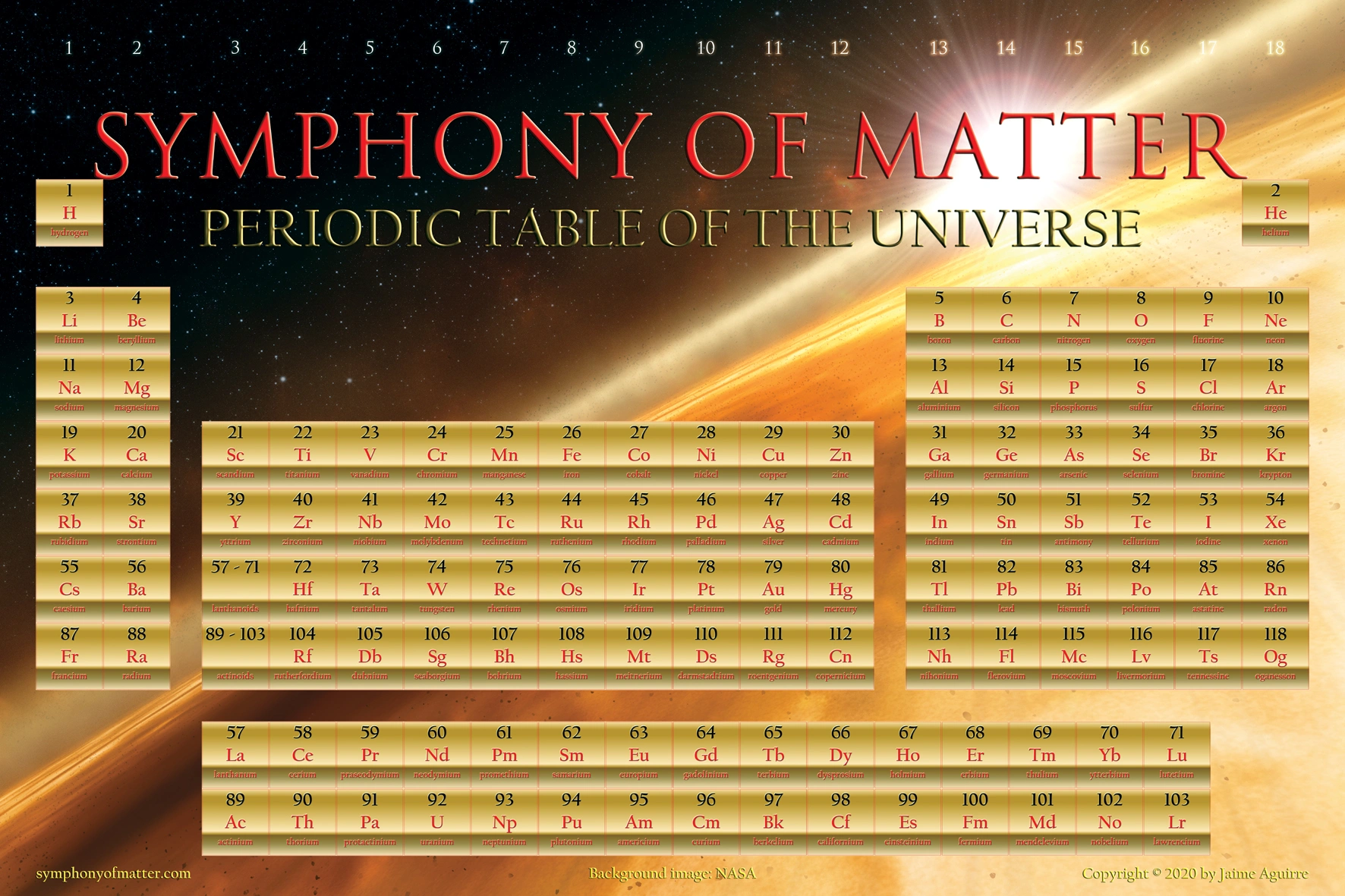
Artist’s Concept of Exoplanet Orbiting Fomalhaut
This illustration shows the newly discovered planet, Fomalhaut b, orbiting its sun, Fomalhaut. A structure comprised mostly of brown and gold colors surrounds Fomalhaut b. This structure is a Saturn-like ring that astronomers say may encircle the planet.
039
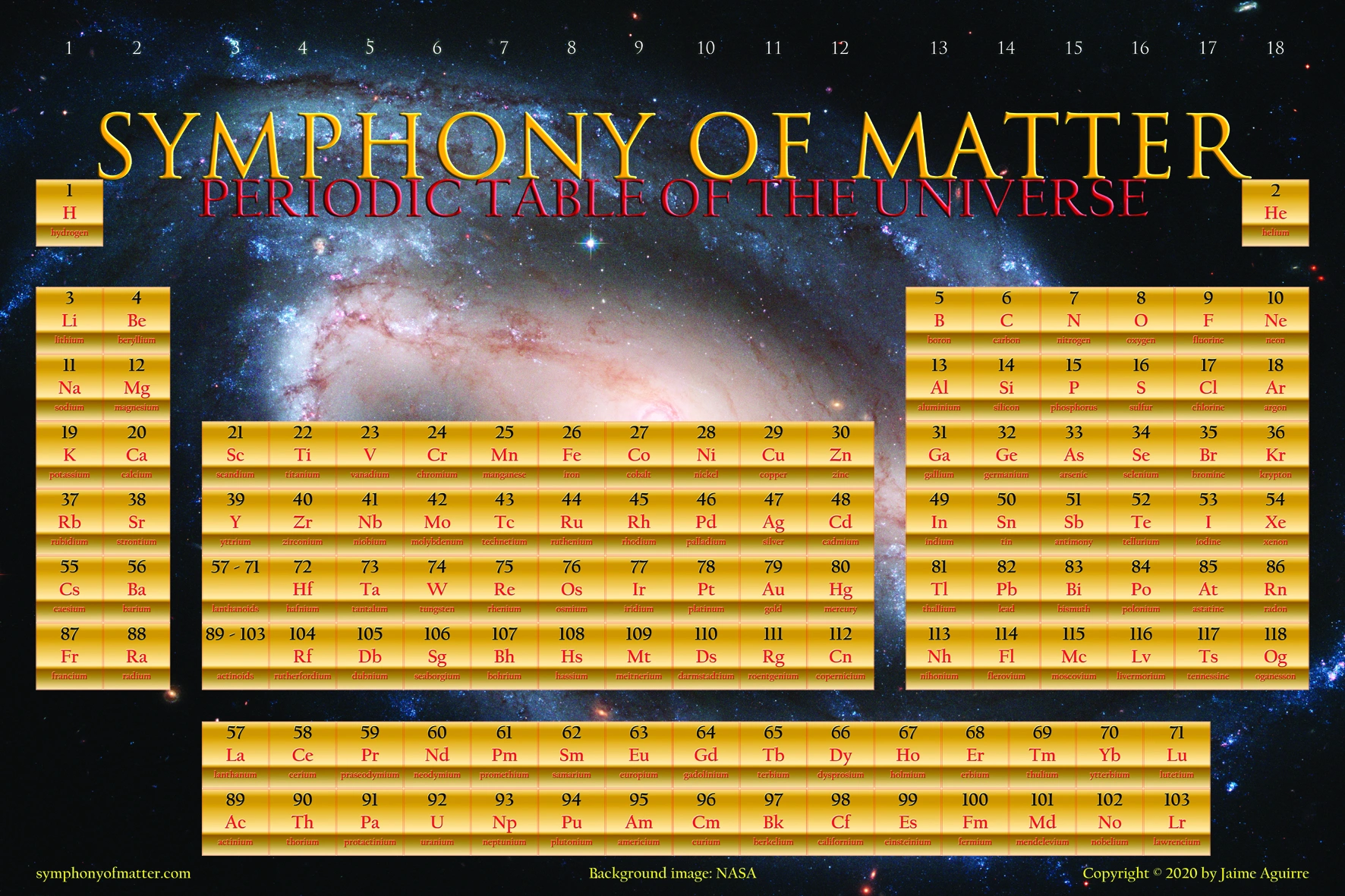
Artist’s Concept of Exoplanet Orbiting Fomalhaut
This illustration shows the newly discovered planet, Fomalhaut b, orbiting its sun, Fomalhaut. A structure comprised mostly of brown and gold colors surrounds Fomalhaut b. This structure is a Saturn-like ring that astronomers say may encircle the planet.
040
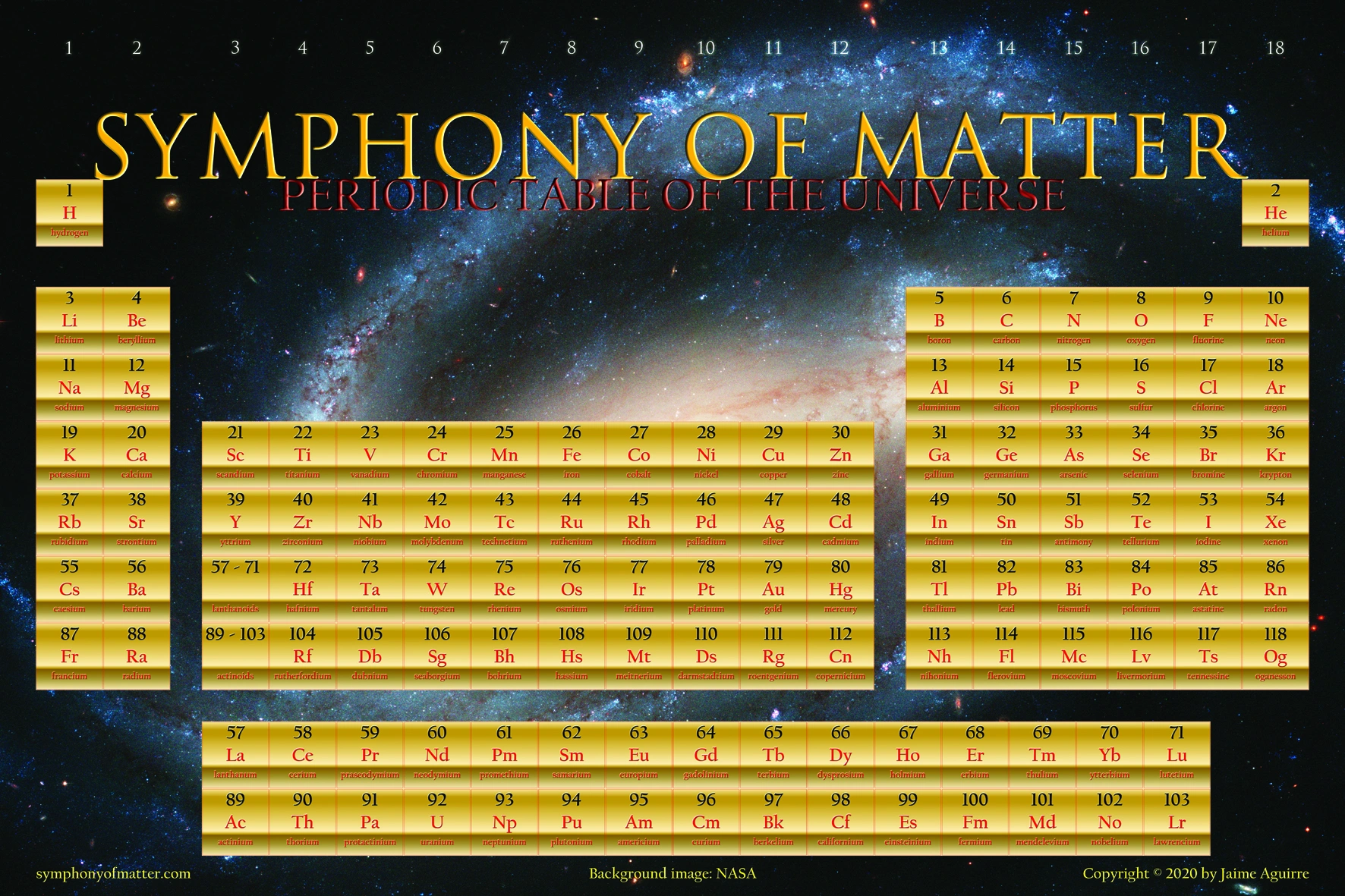
One of the largest Hubble Space Telescope images ever made of a complete galaxy is the beautiful barred spiral galaxy NGC 1300. NGC 1300 is considered to be prototypical of barred spiral galaxies. Barred spirals differ from normal spiral galaxies in that the arms of the galaxy do not spiral all the way into the center, but are connected to the two ends of a straight bar of stars containing the nucleus at its center.
041
One of the largest Hubble Space Telescope images ever made of a complete galaxy is the beautiful barred spiral galaxy NGC 1300. NGC 1300 is considered to be prototypical of barred spiral galaxies. Barred spirals differ from normal spiral galaxies in that the arms of the galaxy do not spiral all the way into the center, but are connected to the two ends of a straight bar of stars containing the nucleus at its center.
042
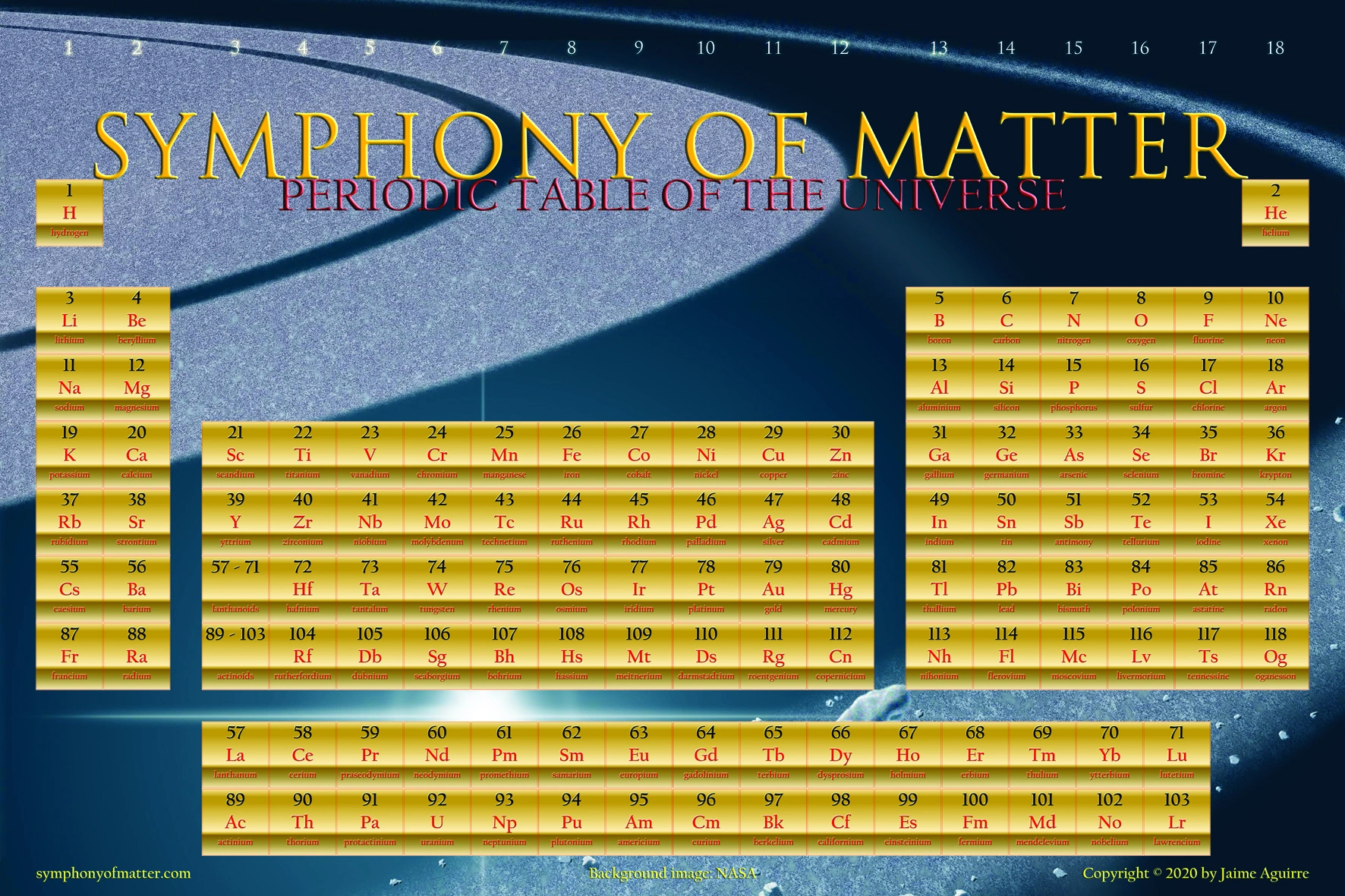
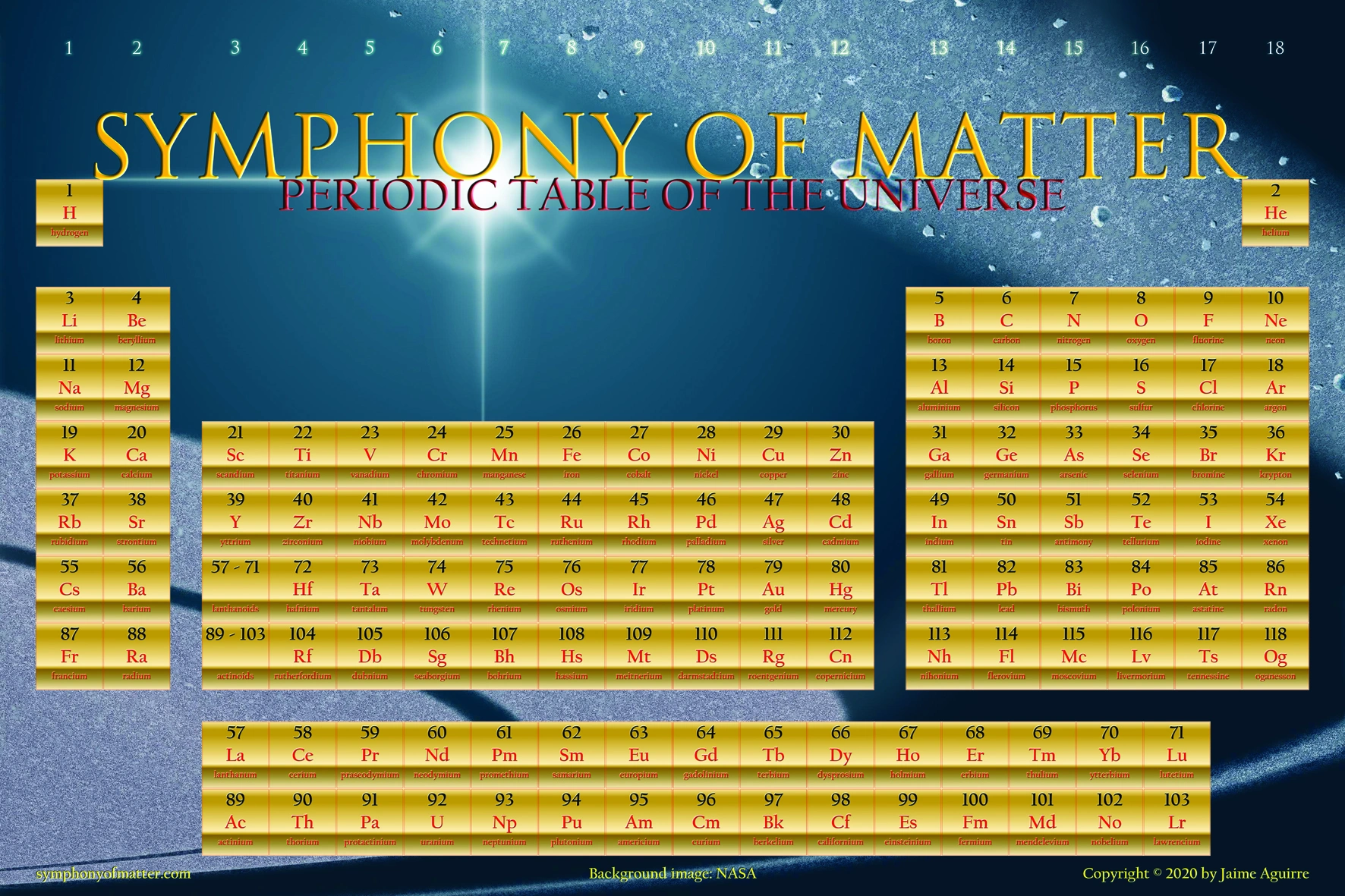
This artist’s concept shows the view from Cassini during the star occultation that detected “Mittens”, the small object to the right of the star.
043
This artist’s concept shows the view from Cassini during the star occultation that detected “Mittens”, the small object to the right of the star.
044
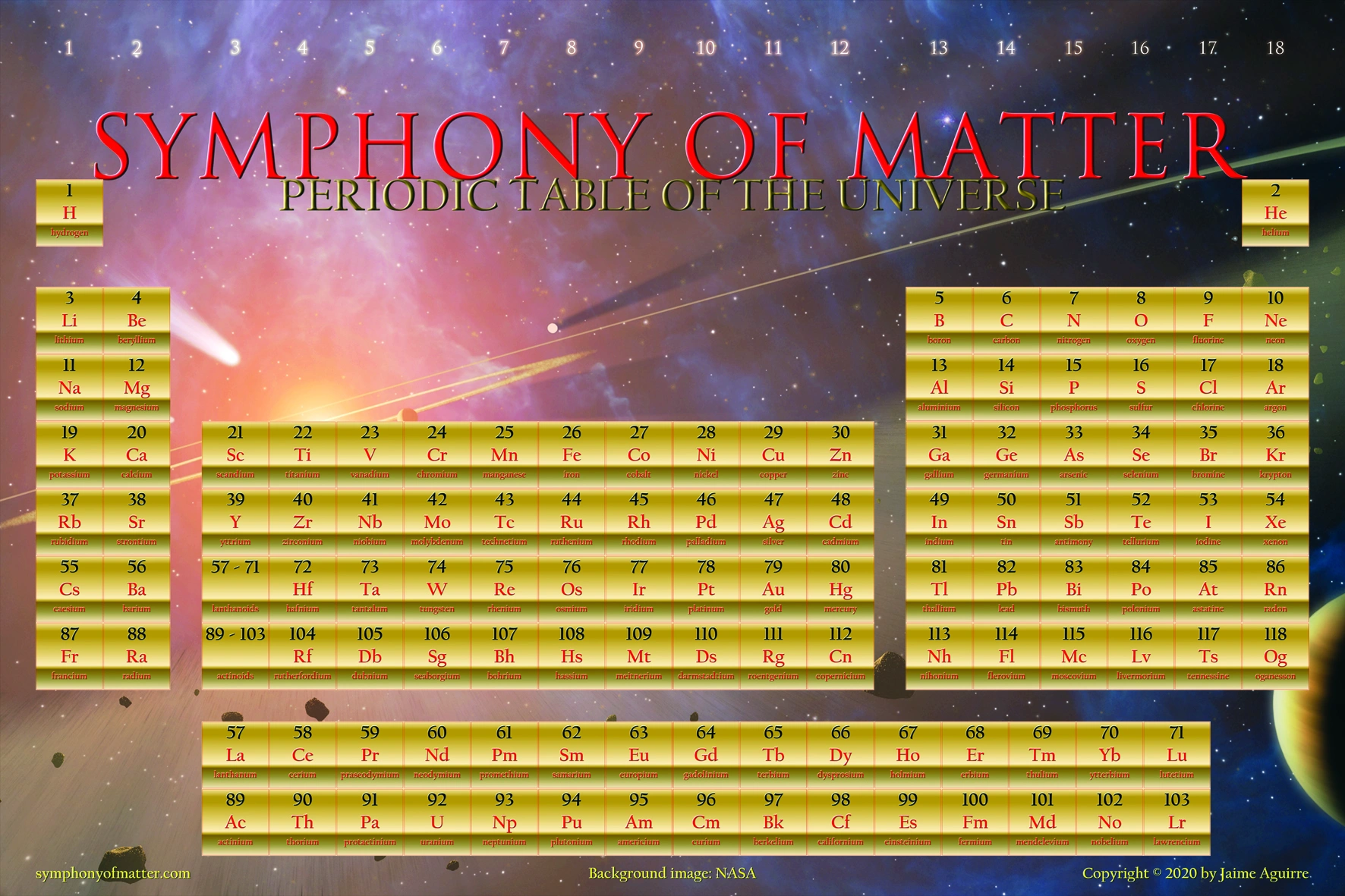
This artist’s concept shows the closest known planetary system to our own-Epsilon Eridani. Observations from NASA's Spitzer Space Telescope show that the system hosts two asteroid belts, in addition to previously identified candidate planets and an outer comet ring. Epsilon Eridani is located about 10 light-years away in the constellation Eridanus
045
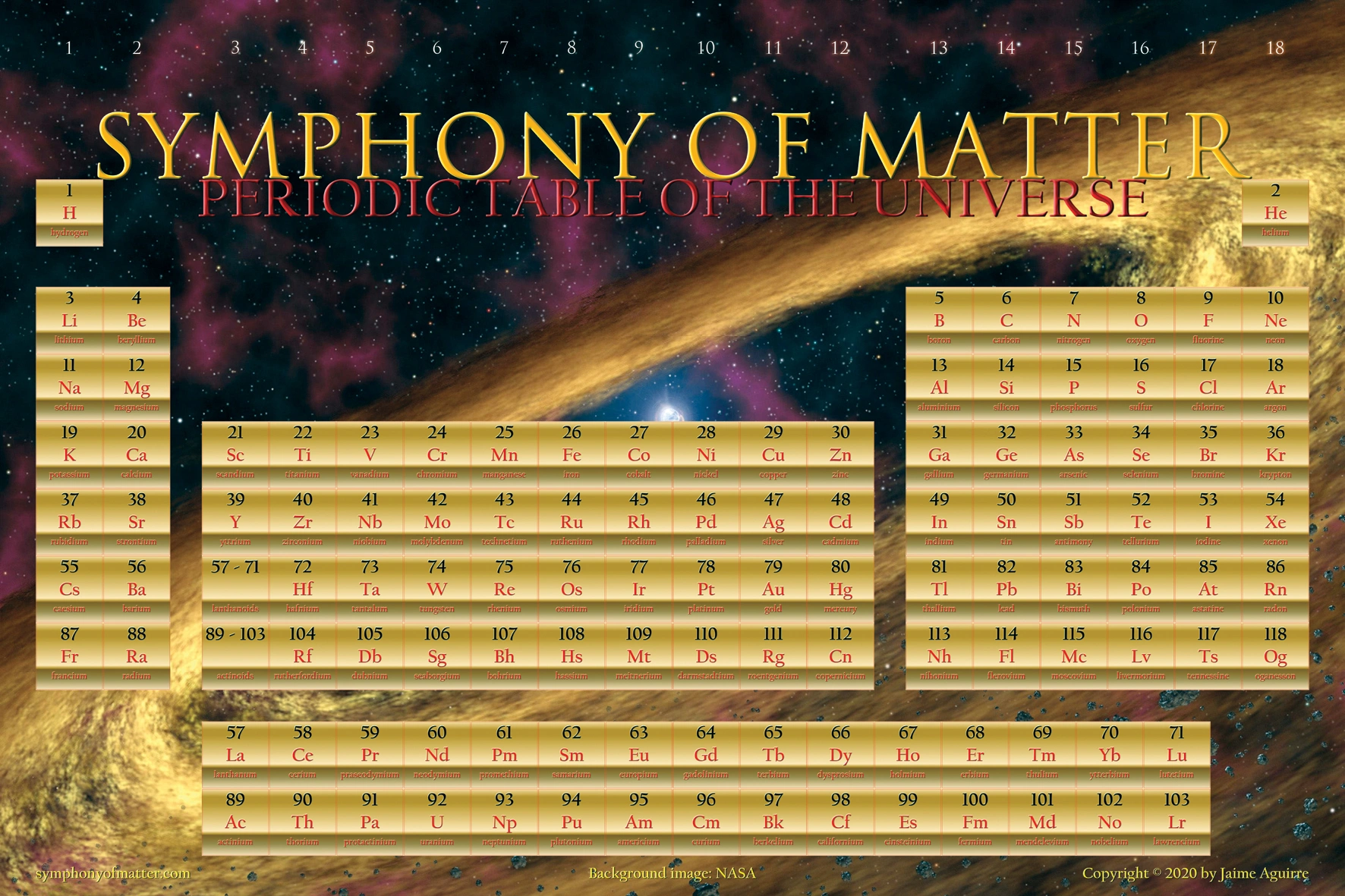
This artist’s concept depicts a pulsar, which is a type of dead star, as well as the surrounding disk of rubble discovered by NASA’s Spitzer Space Telescope. The pulsar, called 4U 0142+61, was once a massive star until about 100,000 years ago when it blew up in a supernova explosion and scattered dusty debris into space.
046
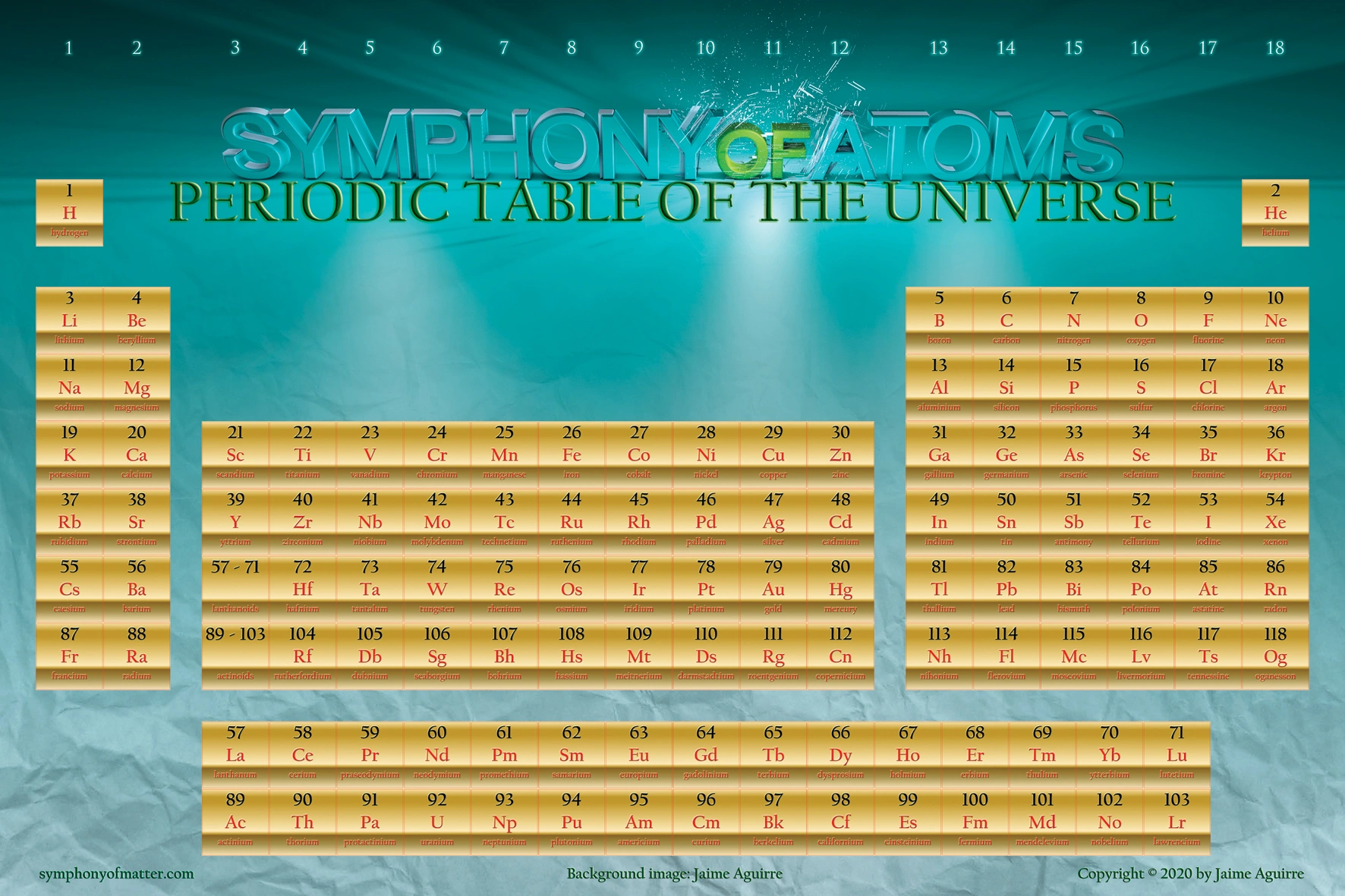
“Symphony of Atoms: Periodic Table of the Universe” beautifully fuses two ideas:
Scientific structure → Periodic Table of the Universe
Artistic harmony → Symphony of Atoms
Together, they express the concept that the elements themselves form a cosmic music — a universal composition connecting chemistry, physics, and astronomy.